



Jakarta, cssmayo.com – Vue Framework refers to the Vue-based approach to building modern user interfaces through a flexible and progressively adoptable front-end ecosystem. It is especially valued for its approachable learning curve, clean structure, and ability to scale from simple interface enhancements to more complex single-page applications. In a development landscape that often swings between overly minimal and gloriously overengineered, Vue manages to sit in a very comfortable middle.
What makes Vue especially appealing is its progressive philosophy. Developers can adopt it gradually, using only the parts they need, or expand it into a more complete solution as project complexity grows. This makes Vue well suited for teams that want a balance of simplicity, power, and maintainability. It supports reactive interfaces, component-based design, and clear development patterns without demanding immediate architectural drama.
What Vue Framework Is
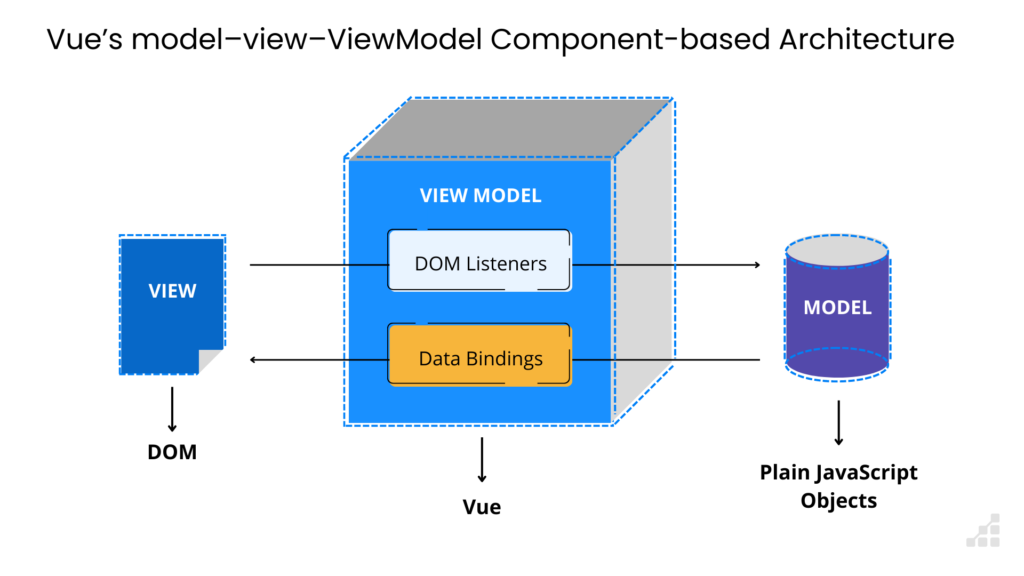

Vue Framework commonly refers to the Vue.js ecosystem and development model used to create interactive front-end applications. Although Vue itself is a JavaScript framework for building user interfaces, the broader idea includes its tooling, component patterns, routing solutions, and state management support.
Common capabilities associated with Vue include:
- Reactive data binding
- Component-based architecture
- Progressive adoption
- Declarative rendering
- Computed properties and watchers
- Routing integration
- State management support
- Flexible tooling ecosystem
These capabilities make Vue a strong option for both lightweight and more advanced front-end work.
Why Vue Framework Matters
Vue matters because modern frontend development requires tools that are easy to learn, efficient to use, and capable of scaling with project demands. Teams often need a framework that supports both speed and structure.
Progressive Adoption
Vue can be introduced gradually into an existing project rather than requiring a full rewrite from the start.
Developer-Friendly Design
Its syntax and structure are widely appreciated for being readable and approachable.
Reactive Interface Updates
Vue updates the user interface based on changes in data, helping developers build interactive experiences more smoothly.
Component Reusability
Its component system improves modularity and helps organize front-end logic more effectively.
Scalable Ecosystem
Vue supports growth through routing, state tools, and development utilities for more complex applications.
These strengths explain why Vue remains a respected choice in modern frontend development.
Core Characteristics of Vue Framework
Its strengths become even clearer when its main traits are compared directly.
| Characteristic | Description | Why It Matters |
|---|---|---|
| Progressive structure | Can be adopted incrementally | Reduces friction for teams and existing projects |
| Reactive data system | UI responds automatically to data changes | Simplifies dynamic interface behavior |
| Component model | Interfaces are built from reusable units | Improves organization and maintainability |
| Clear syntax | Templates and logic are designed to be approachable | Supports faster learning and collaboration |
| Ecosystem support | Works with routing, state, and tooling solutions | Enables application growth over time |
Together, these characteristics make Vue both practical and scalable.
Where Vue Framework Is Commonly Used
Vue is widely used in projects that need clean, interactive front-end behavior without unnecessary complexity.
It is especially well suited for:
- Single-page applications
- Admin dashboards
- Interactive website sections
- Content platforms
- E-commerce interfaces
- Lightweight front-end enhancements
- Internal business tools
- Component-driven web applications
Its adaptability allows it to support a broad range of project sizes and goals.
Why It Remains Important
Vue remains important because it offers a balance that many teams value: ease of use, progressive adoption, and enough structure to support long-term development. As businesses continue to demand responsive digital experiences, frameworks that reduce friction without sacrificing capability remain highly relevant.
It continues to stand out because it provides:
- Accessible learning curve
- Efficient reactive updates
- Flexible adoption path
- Reusable component structure
- Scalable frontend architecture
This balance helps Vue maintain a strong position in the front-end ecosystem.
Final Thoughts
Vue Framework is a powerful and accessible approach to frontend development that helps teams build interactive interfaces with flexibility and clarity. By combining progressive adoption, reactive behavior, and component-based design, it supports both simple enhancements and larger application architectures. Its value lies in making modern frontend development feel structured without feeling burdensome.
The key takeaway is simple. Vue helps developers approach frontend development progressively, making it easier to build maintainable, Responsive, and Scalable user interfaces.
Explore our “”Techno“” category for more insightful content!
Don't forget to check out our previous article: Change Management: Streamlining Organizational Transitions with Minimal Disruption

