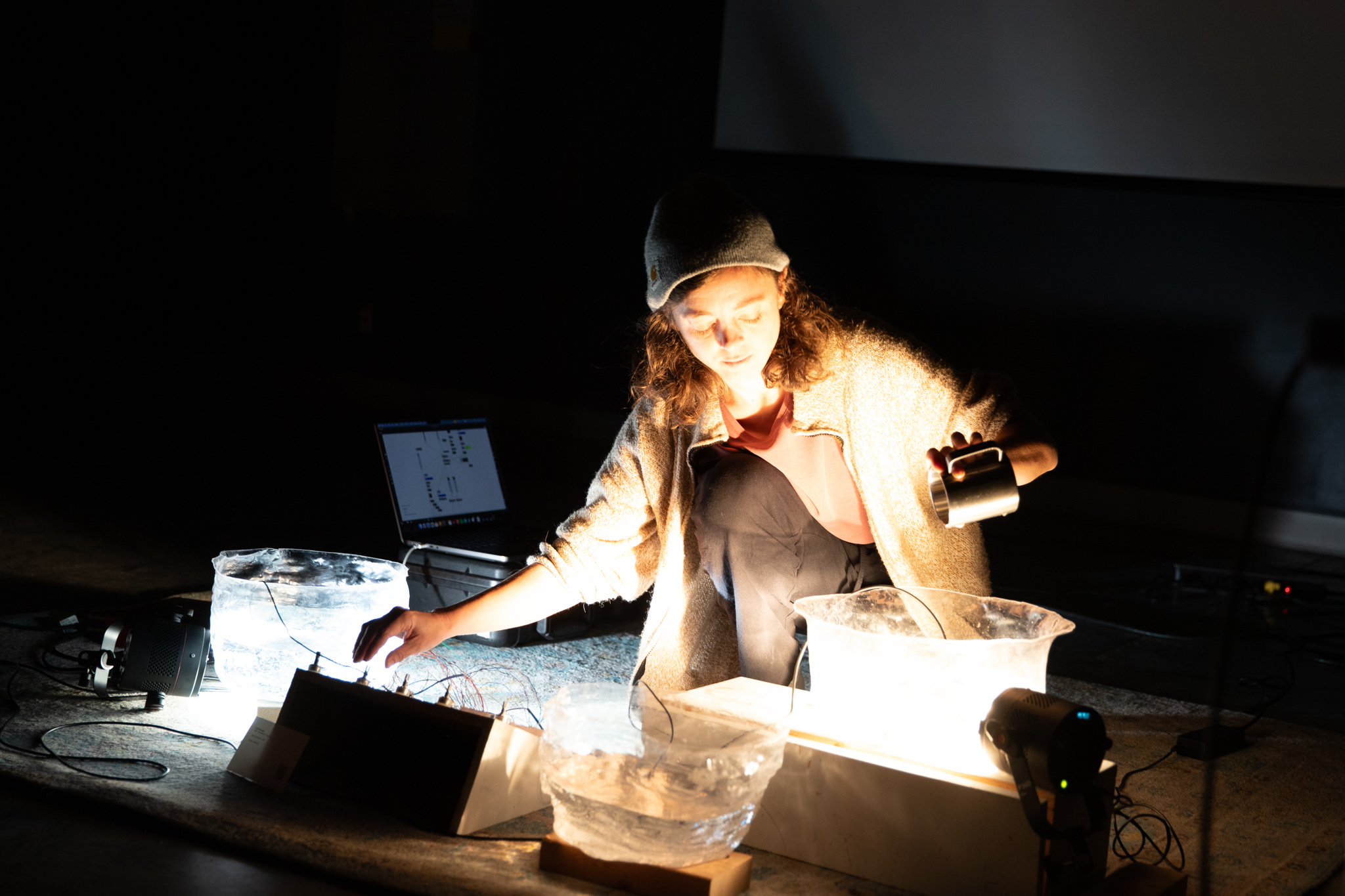
JAKARTA, cssmayo.com – Speculative Design: Imagining Future Possibilities and Provoking Dialogue Through Design has totally flipped the way I see, well, pretty much anything “design” related. I didn’t always get it—I used to be stuck thinking everything had to serve a direct problem now, not some ‘distant’ maybe-future. Little did I know I was missing out on one of the coolest parts of design: using imagination to trigger new conversations and challenge what we think is possible.
Speculative Design uses creative artifacts to surface hidden assumptions, explore “what if” scenarios, and spark debate about possible futures. Rather than solving today’s usability problems, it reframes challenges so stakeholders question present‐day norms. Below, I’ll define the practice, trace its history, share my mistakes and wins, and offer concrete strategies and tools to help you integrate Speculative Design into your toolkit.
1. What Is Speculative Design?
Speculative Design is a design approach that generates fictional scenarios and artifacts to:
• Explore social, ethical, and technological implications of future possibilities
• Challenge existing values and power structures embedded in products and systems
• Invite audiences to reflect and debate rather than simply consume or critique functionality
• Use narrative and material culture to foreground alternatives rather than propose turnkey solutions
2. Why It Matters
- Encourages long‐term, systemic thinking instead of incremental tweaks
- Illuminates unintended consequences of emerging technologies
- Engages diverse audiences in co‐creating value judgments about the future
- Fuels creativity and divergent ideation in R&D and innovation teams
- Bridges gaps between technologists, policymakers, and end users through shared artifacts
3. Timeline: Evolution of Speculative Design
| Era | Milestone | Influence |
|---|---|---|
| 1960s–70s | Dunne & Raby’s precursors in industrial design | Early critiques of consumerism |
| Late 1990s | Anthony Dunne & Fiona Raby coin “Critical Design” | Formalization of design fiction practice |
| 2000s | Rise of Design Fiction courses in design schools | Academic adoption and methodological rigor |
| 2010s | Inclusion in mainstream innovation programs | Corporates use speculative scenarios to shape strategy |
| 2020s | Open platforms for future‐making (e.g., Futurescaper) | Collaborative, crowd‐sourced scenario building |
4. Core Principles & Frameworks
- Provocation over Prescription
• Artifacts should unsettle assumptions rather than offer polished solutions. - Anchored Fiction
• Ground scenarios in plausible social, technological, or environmental trends. - Multi‐sensory Artifacts
• Combine visuals, text, sound, or physical prototypes to immerse audiences. - Iterative Reflection
• Continuously loop between concept, prototype, and stakeholder feedback. - Contextual Storytelling
• Embed items in narrative briefs or microsites that situate them in time and place.
5. My Real Lessons in Speculative Design
- Overly Abstract Artifacts
I once created a “Memory Bank” concept without a personal narrative—viewers dismissed it as academic. Adding a short film about a family’s emotional archive transformed abstractness into empathy. - Neglecting Technical Plausibility
My first “Smart Soil” prototype ignored soil chemistry constraints. Tech reviewers balked until I consulted agronomists and embedded realistic sensor specs. - Skipping Stakeholder Co-Creation
Bypassing local community input on a climate‐migration project led to tone-deaf scenarios. Involving residents helped me frame artifacts around their lived experiences. - Underestimating Display Context
Exhibiting speculative wearables in a corporate lobby made them feel like luxury products. Moving them to a public art space reframed the conversation around equity and access.
6. Best Practices for Speculative Design
- Start with a Provocative Question:
e.g., “What if cities rented our biometrics as shared infrastructure?” - Map Future Drivers:
Identify social, technological, economic, environmental, and political forces (STEEP analysis). - Use Low-Fidelity Prototypes Early:
Sketch boards, paper mockups, or audio vignettes to test resonance. - Layer Narrative Anchors:
Provide short stories, postcards, or journal entries alongside artifacts. - Host Guided Debriefs:
Facilitate workshops or moderated Q&As to unpack reactions and collective meaning.
7. Tools & Methods
| Category | Tools / Techniques | Purpose |
|---|---|---|
| Scenario Mapping | STEEP, Futures Wheels | Identify and organize drivers of change |
| Rapid Prototyping | Paper sketches, Figma | Visualize concepts quickly |
| Physical Artifacts | 3D printing, props | Create tangible discussion pieces |
| Storytelling | Twine, After Effects | Build multimedia narratives |
| Community Workshops | World Café, Story Circles | Co-create with stakeholders |
8. Case Study: “Subscription Citizenship” Project
- Objective: Critique the commodification of civic rights.
- Artifacts:
• A membership card granting “Basic”, “Premium”, or “Elite” citizen privileges
• A mock website where users subscribe to voting, healthcare, or transport tiers
• A short video ad featuring politicians marketing citizenship upgrades - Process:
- Conducted interviews about access to public services
- Developed tiered subscription artifacts using graphic design and print finishes
- Exhibited in a public forum, collecting visitor votes on which rights should remain free
- Impact: Sparked policy roundtables and news coverage questioning privatization trends.
9. Emerging Trends in Speculative Design
- AI-Generated Futures: Using generative models to draft personas, dialogues, and visual scenarios.
- Mixed-Reality Probes: AR/VR experiences that overlay speculative artifacts onto real environments.
- Participatory Futures Platforms: Online tools (e.g., Kumu, Tomorrow’s Landscape) for crowd-sourced scenario building.
- Data-Driven Storytelling: Feeding real-time data into speculative prototypes to heighten plausibility.
- Intersectional Speculations: Centering marginalized voices to explore diverse future impacts.
10. Final Takeaways
- Define a sharp, provocative question to guide your exploration.
- Anchor fiction in real‐world trends to maintain plausibility.
- Combine multimodal artifacts and narratives for immersive experiences.
- Engage stakeholders early—their insights deepen authenticity.
- Facilitate structured reflections so audiences move from shock to meaningful dialogue.
By embedding these Speculative Design practices into your process, you’ll not only spark richer conversations about tomorrow’s challenges but also inform more responsible and innovative approaches to design today.
Elevate Your Competence: Uncover Our Insights on Techno
Read Our Most Recent Article About System Diagnostics Best Practices: Optimizing Performance and Identifying Issues!