


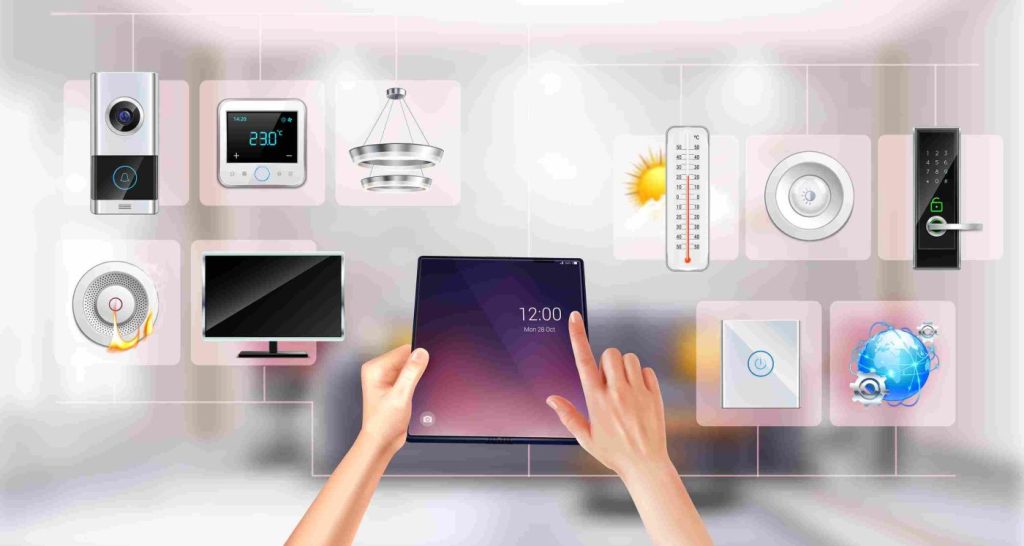
JAKARTA, cssmayo.com – In recent years, smart home devices have revolutionized the way we interact with our living spaces. By integrating technology into everyday household functions, these devices enhance convenience, security, and energy efficiency, ultimately improving our quality of life. This article explores the fundamentals of smart home devices, their various applications, benefits, and the future of smart technology in our homes.
What Are Smart Home Devices?
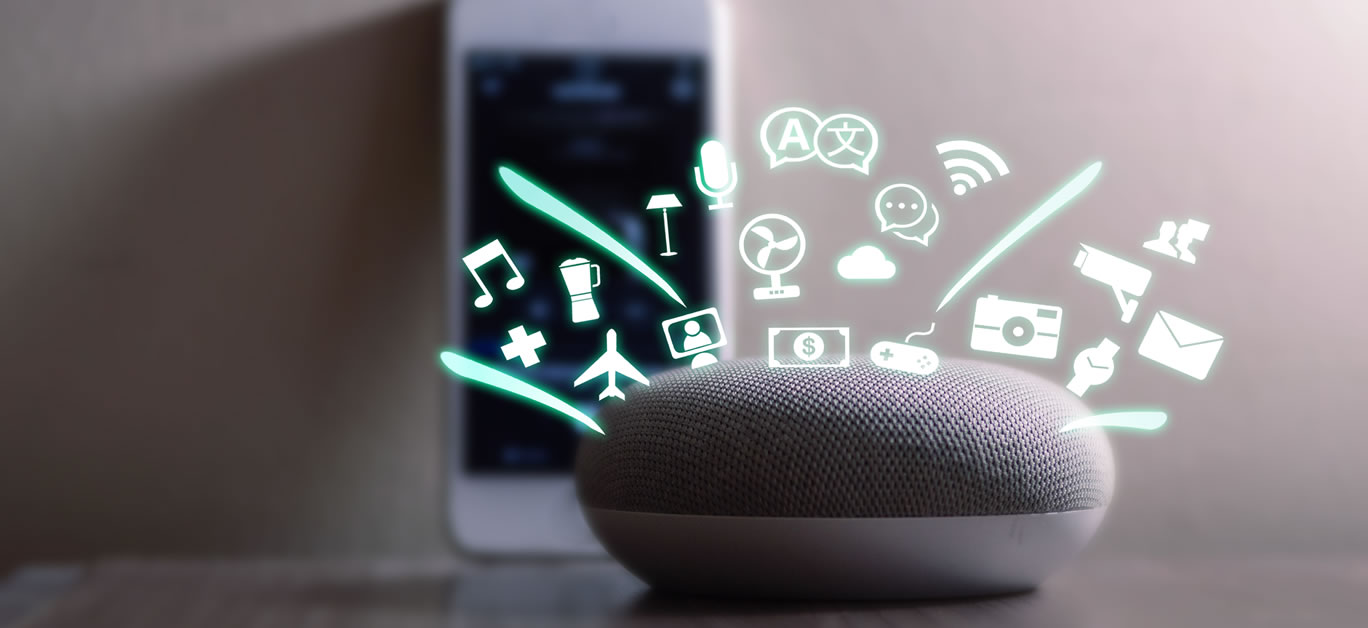

Smart home devices refer to a range of interconnected gadgets and appliances that can be controlled remotely via smartphones, tablets, or voice commands. These devices utilize the Internet of Things (IoT) technology, allowing them to communicate with each other and share data. Key components of smart home devices include:
- Connectivity: Most smart devices connect to Wi-Fi or Bluetooth networks, enabling remote access and control.
- Sensors: Many devices are equipped with sensors that detect changes in the environment, such as motion, temperature, or humidity.
- Automation: Smart home devices can be programmed to perform specific tasks automatically based on user preferences or environmental conditions.
Types of Smart Home Devices
Smart home devices encompass a wide variety of products designed to enhance different aspects of daily living. Here are some common categories:
1. Smart Lighting
Smart lighting systems allow users to control their home’s lighting remotely. Features include:
- Remote Control: Users can turn lights on or off and adjust brightness from their smartphones.
- Scheduling: Smart bulbs can be programmed to turn on or off at specific times, enhancing energy efficiency.
- Voice Control: Many smart lighting systems are compatible with voice assistants like Amazon Alexa or Google Assistant, allowing for hands-free operation.
2. Smart Thermostats
Smart thermostats provide greater control over home heating and cooling systems. Benefits include:
- Energy Savings: By learning user preferences and adjusting temperatures accordingly, smart thermostats can reduce energy consumption.
- Remote Access: Homeowners can adjust their thermostat settings from anywhere, ensuring comfort upon arrival.
- Energy Reports: Many smart thermostats provide insights into energy usage, helping users make informed decisions about their consumption.
3. Smart Security Systems
Smart security devices enhance home safety and monitoring capabilities. Key features include:
- Surveillance Cameras: Users can monitor their homes in real-time through smartphone apps, receiving alerts for unusual activity.
- Smart Locks: These devices allow homeowners to lock and unlock doors remotely, providing keyless entry and temporary access for guests.
- Alarm Systems: Smart security systems can notify homeowners and authorities in case of a security breach.
4. Smart Appliances
Smart appliances streamline household tasks and improve efficiency. Examples include:
- Smart Refrigerators: These devices can monitor food inventory, suggest recipes, and alert users when items are running low.
- Smart Ovens: Users can preheat ovens remotely and receive notifications when meals are ready.
- Smart Washers and Dryers: These appliances can be controlled via smartphone apps, allowing users to start or stop cycles from anywhere.
Benefits of Smart Home Devices
The integration of smart home devices offers numerous advantages for homeowners:
1. Convenience
Smart home devices simplify daily tasks by allowing remote control and automation. Homeowners can manage their devices from anywhere, making life more convenient and efficient.
2. Enhanced Security
With smart security systems, homeowners can monitor their properties in real-time, receive alerts, and control access remotely. This added layer of security provides peace of mind, especially when away from home.
3. Energy Efficiency
Smart home devices contribute to energy savings by optimizing usage. For example, smart thermostats can adjust heating and cooling based on occupancy, while smart lighting can reduce energy consumption by automating schedules.
4. Improved Comfort
By allowing for personalized settings and automation, smart devices enhance overall comfort in the home. Users can create specific environments tailored to their preferences, such as adjusting lighting for movie nights or setting the thermostat for optimal sleeping conditions.
5. Increased Home Value
Investing in smart home technology can increase the value of a property. Many homebuyers are attracted to homes equipped with modern smart devices, making them more marketable.
Challenges of Smart Home Devices
Despite their numerous benefits, the adoption of smart home devices comes with challenges:
1. Security Concerns
As smart devices connect to the internet, they can become vulnerable to cyberattacks. Homeowners must implement robust security measures, such as strong passwords and regular software updates, to protect their devices.
2. Compatibility Issues
Not all smart home devices are compatible with each other, which can create challenges for users looking to build a cohesive smart home ecosystem. Homeowners should research compatibility before purchasing devices.
3. Initial Costs
The upfront costs of smart home devices can be significant. While many devices offer long-term savings, the initial investment may deter some consumers.
4. Learning Curve
Some users may find it challenging to navigate the technology and set up their devices. Manufacturers should provide clear instructions and support to help users get started.
The Future of Smart Home Devices
The future of smart home devices looks promising, with several trends expected to shape the industry:
1. Increased Integration
As technology advances, smart home devices will become more integrated, allowing for seamless communication between different devices. This will enhance user experiences and streamline automation.
2. AI and Machine Learning
The incorporation of artificial intelligence and machine learning will enable smart devices to learn user behaviors and preferences, providing even more personalized experiences.
3. Voice Control Expansion
Voice assistants will continue to evolve, making it easier for users to control their smart home devices through voice commands. This trend will enhance convenience and accessibility.
4. Focus on Sustainability
As consumers become more environmentally conscious, manufacturers will prioritize energy-efficient and sustainable smart home devices. This focus will contribute to a greener future.
5. Health Monitoring
The integration of health monitoring features into smart home devices is expected to grow. Devices that track air quality, humidity, and temperature can contribute to healthier living environments.
Conclusion: Embracing Smart Home Devices for a Better Life
In conclusion, smart home devices are transforming everyday life by enhancing convenience, security, and efficiency in our homes. By integrating technology into daily routines, these devices empower homeowners to take control of their living environments, leading to improved quality of life.
As the market for smart home technology continues to expand, embracing these devices will be essential for those looking to enhance their homes and lifestyles. With ongoing advancements and innovations, the future of smart home devices promises to create even smarter, more connected living spaces that cater to our evolving needs.
Elevate Your Competence: Uncover Our Insights on Techno
Read Our Most Recent Article About Remote Work!

