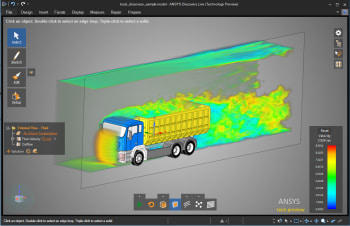
Jakarta, cssmayo.com – Simulation Software has become one of the most effective tools for creating realistic, controlled, and repeatable training environments. In sectors where practical experience matters but real-world training can be expensive, dangerous, or difficult to scale, simulation offers a powerful alternative. By reproducing real conditions in a virtual setting, Simulation Software allows learners to build skills, test decisions, and gain confidence without the full risks of live operations.
What makes Simulation Software especially valuable is its ability to combine realism with flexibility. Training can be standardized, measured, repeated, and adapted for different scenarios, skill levels, and objectives. Whether used in aviation, healthcare, military preparation, industrial safety, driving instruction, or technical education, simulation helps bridge the gap between theory and real-world performance. It is the rare training tool that allows people to make mistakes safely, which is a generous quality in both software and life.
What Simulation Software Is
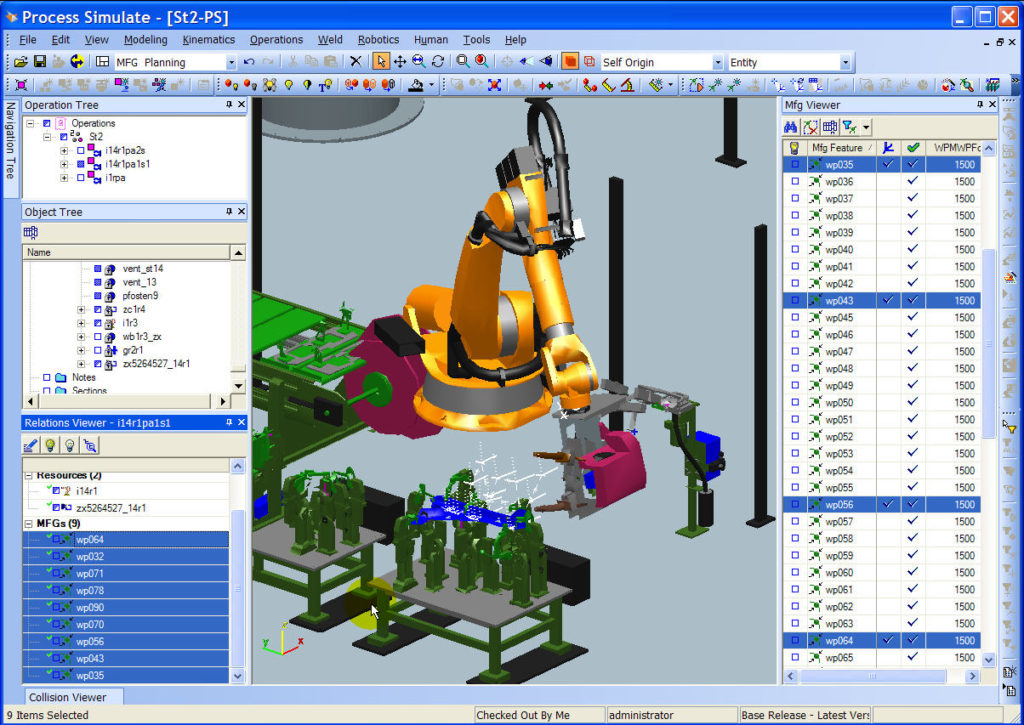
Simulation Software refers to digital systems designed to model real-world environments, processes, or scenarios so that users can practice tasks, make decisions, and experience outcomes in a virtual space. These tools aim to replicate conditions closely enough to support effective learning, operational preparation, or skills assessment.
Common characteristics of Simulation Software include:
- Virtual environment modeling
- Scenario-based interaction
- Realistic system behavior
- Controlled training conditions
- Repeatable exercises
- Performance tracking
- Adjustable difficulty or complexity
- Safe experimentation
These features explain why Simulation Software is widely used for training across high-stakes and skill-intensive fields.
How Simulation Software Supports Training
To understand its value, it helps to look at how Simulation Software functions in practice.
Recreating Realistic Conditions
Simulation Software can model equipment, physical spaces, workflows, emergencies, and human interactions with a level of detail appropriate to the training objective.
Allowing Repetition and Mastery
Learners can repeat tasks multiple times, refine techniques, and improve decision-making without the costs or limitations of using live systems repeatedly.
Providing Safe Failure
A simulated environment allows trainees to make errors, observe consequences, and learn from them without causing real harm, injury, or operational disruption.
Measuring Performance
Many simulation systems capture user behavior, timing, accuracy, choices, and procedural compliance, making evaluation more precise and consistent.
Together, these capabilities make Simulation Software a practical and scalable training solution.
Why Simulation Software Matters
Its value becomes even clearer when its core benefits are compared directly.
| Benefit | Description | Why It Matters |
|---|---|---|
| Safety | Enables training without real-world danger | Essential for high-risk industries |
| Cost efficiency | Reduces dependence on expensive physical setups or repeated live exercises | Improves long-term training economics |
| Consistency | Delivers standardized scenarios and assessment conditions | Supports fairer and more reliable instruction |
| Scalability | Can be deployed across many learners and locations | Expands access to quality training |
| Adaptability | Supports different skill levels and scenario variations | Improves relevance and learning progression |
Together, these strengths show why Simulation Software plays such a central role in modern training design.
Industries That Rely on Simulation Software
Simulation Software is used across many sectors where practical readiness is critical.
Aviation
Pilots use simulation to practice navigation, emergency response, instrument procedures, and aircraft handling in controlled conditions.
Healthcare
Medical professionals can train for surgery, diagnosis, patient interaction, and emergency response without placing actual patients at risk.
Military and Defense
Simulation supports tactical exercises, mission planning, equipment use, and environment-specific operational training.
Industrial and Technical Training
Workers can practice equipment operation, maintenance procedures, hazard response, and system troubleshooting in realistic virtual settings.
Transportation and Public Safety
Drivers, emergency responders, and infrastructure operators can develop practical skills through scenario-based simulation.
These applications show how Simulation Software helps organizations prepare people for real responsibilities before real consequences are involved.
Key Design Elements of Effective Simulation Software
Not all Simulation Software is equally effective. Strong training outcomes depend on thoughtful design.
Realism With Purpose
The simulation should be realistic enough to support learning goals, but not so overloaded with unnecessary detail that it becomes inefficient or distracting.
Scenario Variety
Trainees benefit when the software includes normal operations, edge cases, failures, and high-pressure situations.
Feedback and Assessment
Good systems provide clear performance feedback so learners understand what they did well, what went wrong, and how to improve.
User Accessibility
The interface, controls, and instructional structure should support learning rather than create avoidable confusion.
These elements matter because the goal of Simulation Software is not just to impress users visually, but to train them effectively.
Challenges and Limitations
Despite its many advantages, Simulation Software also has limitations.
Common Challenges
- High development costs for advanced realism
- Difficulty modeling every real-world variable
- Risk of overreliance on simulation without live practice
- Hardware and infrastructure requirements
- Need for regular updates to stay accurate
- Potential mismatch between simulation behavior and field conditions
These limitations show that Simulation Software is most effective when integrated into a broader training strategy rather than treated as a complete replacement for all practical experience.
Why Simulation Software Will Continue to Grow
Simulation Software will continue to grow because training demands are becoming more complex, safety-sensitive, and performance-driven. Organizations need efficient ways to prepare people for difficult tasks while controlling cost, standardizing instruction, and reducing risk. Simulation provides a strong answer to those needs.
It continues to stand out because it offers:
- Safer skill development
- Better training repeatability
- Flexible scenario design
- Measurable performance outcomes
- Strong support for modern workforce preparation
This is why Simulation Software remains one of the most important tools for creating virtual environments for training.
Final Thoughts
Simulation Software is transforming how people learn, practice, and prepare for real-world responsibilities. By creating virtual environments that are realistic, repeatable, and safe, it allows trainees to build competence before entering live operational settings. Its value spans aviation, healthcare, defense, industry, and many other fields where readiness matters.
The key takeaway is simple. Simulation Software matters because it turns virtual experience into practical preparation, making training safer, smarter, and more scalable.
Explore our “”Techno“” category for more insightful content
Don't forget to check out our previous article: Shader Programming: Enhancing Graphics in Games