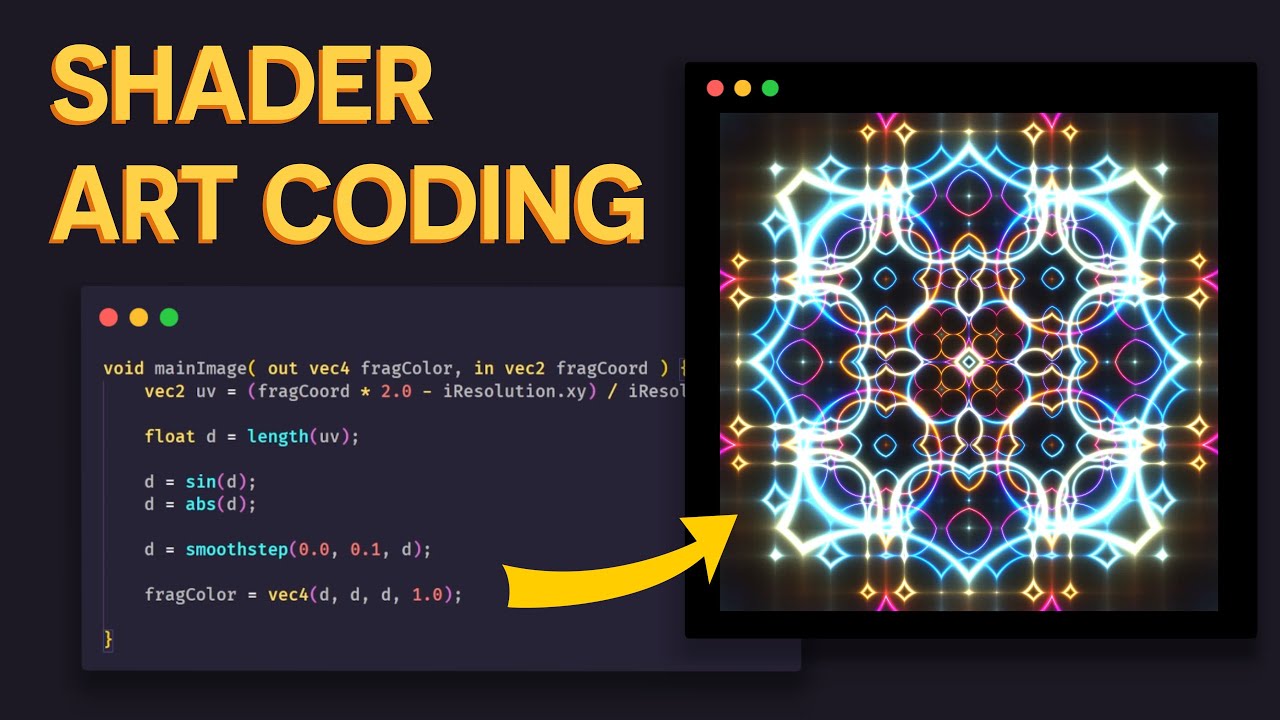
Jakarta, cssmayo.com – Shader Programming is one of the core techniques behind modern game graphics, responsible for shaping how objects, surfaces, lighting, shadows, and visual effects appear on screen. In game development, shaders are specialized programs executed by the GPU to control rendering behavior at different stages of the graphics pipeline. They make it possible to create everything from realistic materials and dynamic lighting to stylized effects, water simulations, post-processing, and animated surfaces.
What makes Shader Programming especially important is that it sits at the intersection of art and engineering. A well-written shader does not just make a scene look better. It defines the visual language of the game, influences performance, and helps create the mood, clarity, and identity of the experience. In other words, it is where mathematics quietly puts on a costume and becomes atmosphere.
What Shader Programming Is
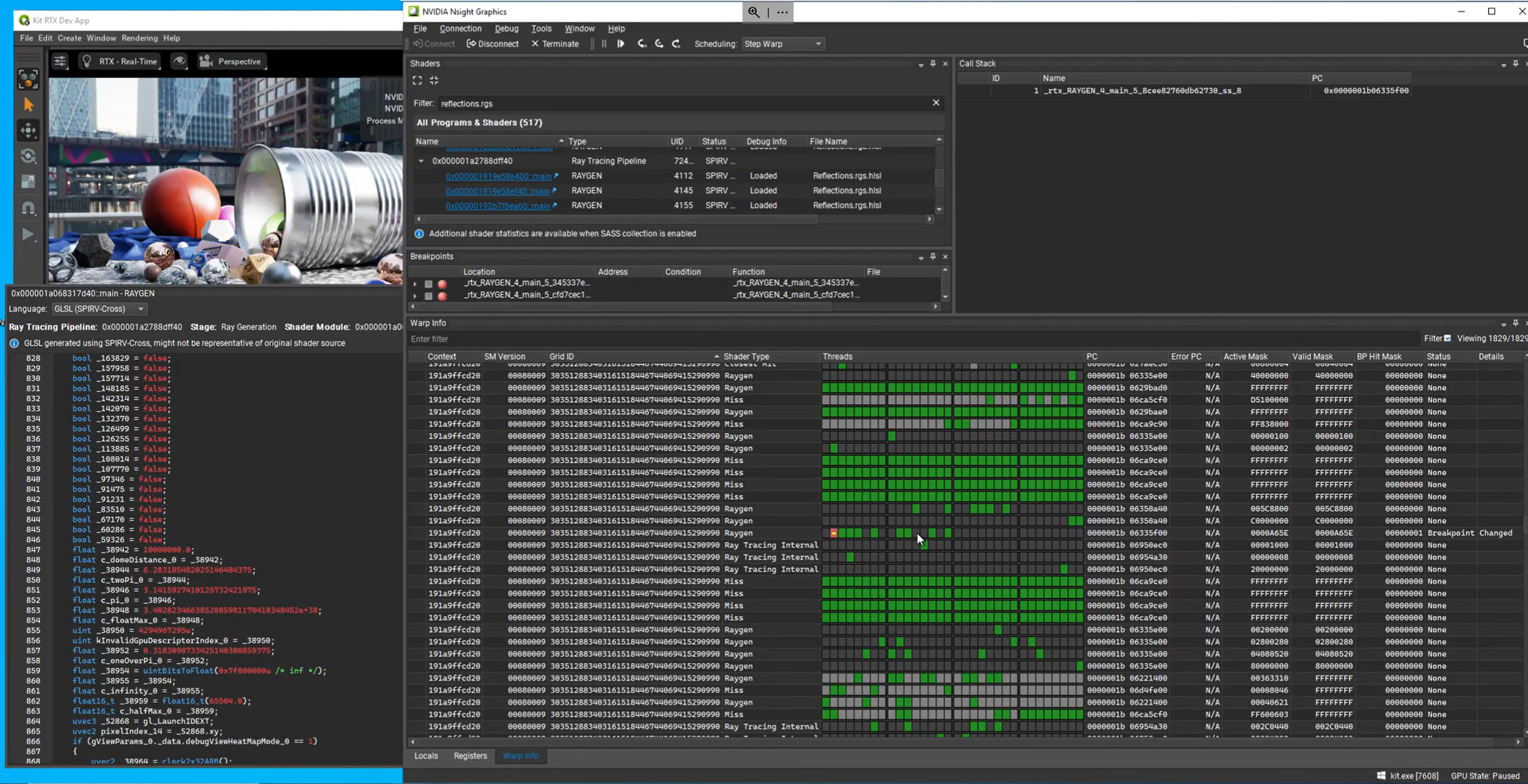
Shader Programming is the process of writing GPU-executed programs that determine how graphics are rendered in real time. These programs influence how vertices are transformed, how pixels are colored, how lighting is calculated, and how effects are applied to objects and scenes.
Common features associated with Shader Programming include:
- Real-time rendering control
- Material and surface appearance
- Lighting and shadow calculation
- Post-processing effects
- GPU-based visual computation
- Vertex and fragment manipulation
- Performance-sensitive graphics design
- Custom visual style creation
These features explain why Shader Programming is central to enhancing graphics in games.
Why Shader Programming Matters
Shader Programming matters because visual quality in games depends heavily on how rendering is controlled and optimized.
Visual Realism
Shaders help simulate light, texture, reflection, and depth in convincing ways.
Artistic Style
They allow developers to create unique visual identities, from realism to stylization.
Performance Efficiency
GPU-optimized visual computation supports real-time rendering at interactive speeds.
Dynamic Effects
Shaders enable effects such as glow, distortion, water, fog, outlines, and motion-based visuals.
Gameplay Clarity
They can also improve visibility, readability, and feedback within the game world.
These strengths explain why Shader Programming is such an important part of modern game graphics.
Core Characteristics of Shader Programming
Its value becomes clearer when its defining qualities are viewed together.
| Characteristic | Description | Why It Matters |
|---|---|---|
| GPU execution | Runs directly on graphics hardware | Enables efficient real-time rendering |
| Visual control | Governs color, lighting, material response, and effects | Shapes the game’s final look |
| Pipeline integration | Works within rendering stages such as vertex and fragment processing | Supports flexible graphics workflows |
| Artistic flexibility | Allows custom styles and effects | Helps define visual identity |
| Performance impact | Must be efficient to maintain frame rate | Balances beauty with playability |
Together, these characteristics show why Shader Programming is essential for enhancing graphics in games.
How Shader Programming Works in Practice
In practice, Shader Programming involves writing shader code in languages and systems such as HLSL, GLSL, Metal Shading Language, or engine-based shader tools. Developers and technical artists use shaders to define how objects react to light, how textures are blended, how particles behave, and how screen-wide effects modify the final image. These shaders are then integrated into the engine’s rendering pipeline and tuned for quality and performance.
It is especially associated with:
- Real-time 3D rendering
- Material systems
- Lighting models
- Visual effects pipelines
- Technical art workflows
- GPU optimization
- Rendering engines
- Interactive graphics design
This broad relevance shows how shader programming supports both visual creativity and technical execution.
Common Challenges in Shader Programming
Shader Programming is powerful, but it also introduces complexity.
Key Challenges
- Steep learning curve for mathematical concepts
- Performance trade-offs on different hardware
- Debugging difficulty compared with CPU code
- Cross-platform rendering differences
- Balancing visual quality with frame-rate requirements
These challenges show that shader work requires both artistic sensitivity and strong technical discipline.
Why It Remains Important
Shader Programming remains important because expectations for visual fidelity and real-time responsiveness continue to rise. Players notice lighting quality, material realism, atmospheric effects, and animation smoothness even if they do not know the technical systems behind them. As games become more visually ambitious, shaders remain one of the most powerful tools for delivering detail, mood, and responsiveness without losing performance control.
It continues to stand out because it provides:
- Fine-grained control over rendering
- Strong support for visual innovation
- Real-time graphics enhancement
- Better integration of art and technology
- A foundation for modern game aesthetics
This is why Shader Programming remains essential for enhancing graphics in games.
Final Thoughts
Shader Programming is one of the quiet engines of visual quality in game development. It shapes how players perceive materials, lighting, effects, and atmosphere, while also playing a major role in rendering efficiency and artistic identity. By giving developers direct control over the appearance of the game world, shaders transform graphics from simple display into expressive real-time experience.
The key takeaway is simple. Shader Programming matters because it gives games the visual depth, style, and responsiveness that make digital worlds feel vivid and alive.
Explore our “”Techno“” category for more insightful content
Don't forget to check out our previous article: Web Performance: Proven Strategies to Make Your Website Faster and More Responsive