JAKARTA, cssmayo.com – Remote Sensing: Gathering Information from a Distance? Oh man, this is the kind of tech I wish I’d appreciated sooner. When I first stumbled onto remote sensing, my idea was limited to some sci-fi stuff or super high-level government surveillance! Turns out, it’s used everywhere—from finding out where forests are disappearing to checking which rice fields are healthy this week.
Remote sensing is a powerful technology that allows us to gather information about the Earth and its environment from a distance, often using satellites or aerial sensors. This innovative field has transformed how we collect and analyze data, providing insights that are crucial for various applications, including environmental monitoring, urban planning, and disaster management. In this personal guide, I will share my journey into the world of remote sensing, exploring its principles, applications, and the fascinating unseen data it reveals.
What is Remote Sensing?
Definition
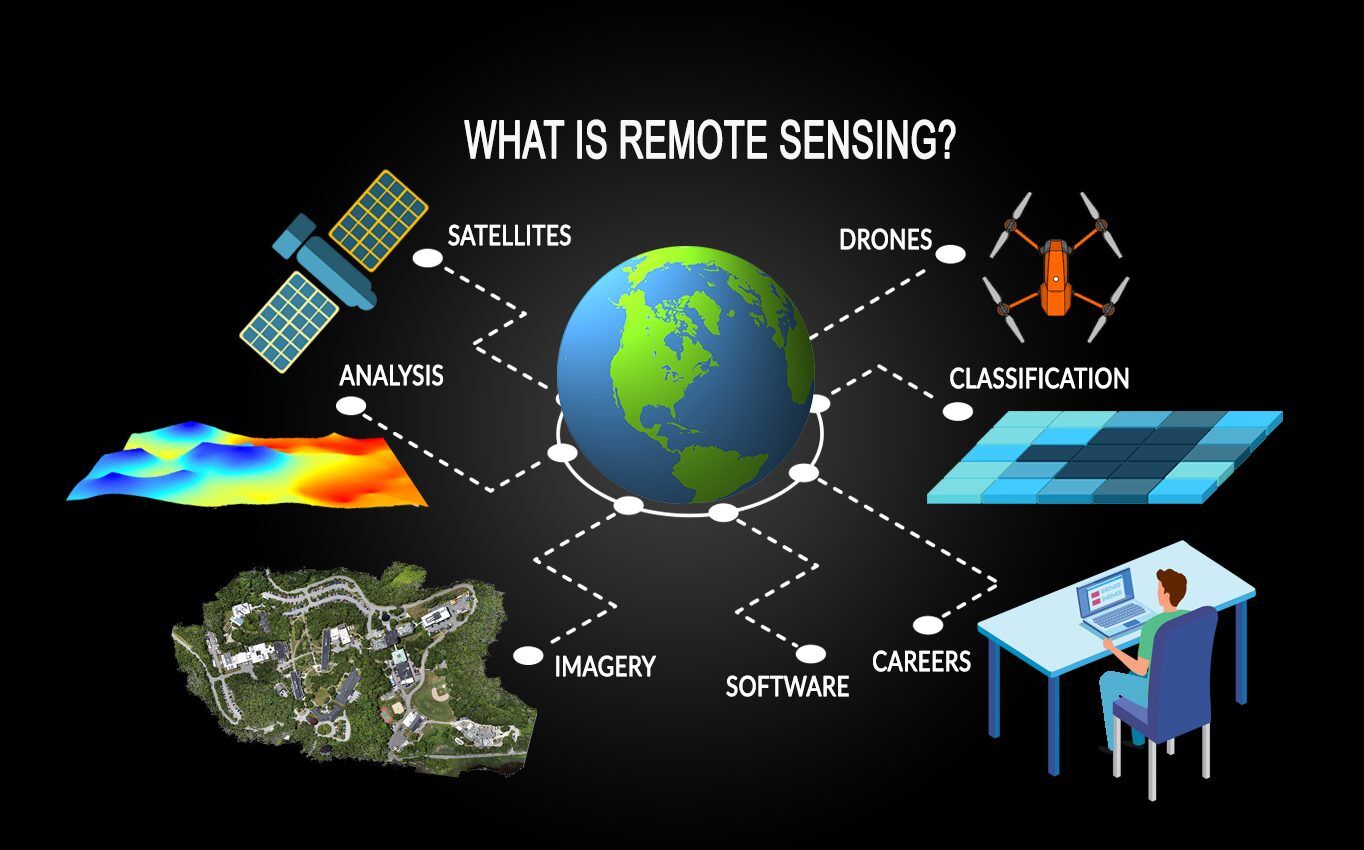
Remote sensing is the acquisition of data about an object or phenomenon without making physical contact with it. This is typically achieved through the use of satellite or airborne sensors that capture electromagnetic radiation reflected or emitted from the Earth’s surface.
Types of Remote Sensing
- Passive Remote Sensing: This method involves detecting natural radiation emitted or reflected by objects. Sensors capture data from sunlight reflected off surfaces, such as vegetation or water bodies. Common examples include multispectral and hyperspectral imaging.
- Active Remote Sensing: In this approach, sensors emit their own energy (such as radar or laser) and measure the reflected signals. This technique is useful for penetrating clouds or vegetation and is commonly used in technologies like LiDAR (Light Detection and Ranging).
My Journey with Remote Sensing
Getting Started
My interest in remote sensing began during a geography class where I learned about how satellites collect data from space. Intrigued by the idea of seeing the Earth from above, I decided to explore this field further by taking online courses and attending workshops on remote sensing technologies.
Tools and Technologies
Throughout my journey, I became familiar with various tools and technologies used in remote sensing. Some key tools include:
- Satellite Imagery: Platforms like Landsat and Sentinel provide free access to high-resolution satellite images that can be used for various analyses.
- GIS Software: Geographic Information Systems (GIS) tools, such as ArcGIS and QGIS, allow for the analysis and visualization of remote sensing data.
- Drone Technology: Drones equipped with cameras and sensors have become increasingly popular for collecting high-resolution data over smaller areas.
Projects and Applications
Engaging in hands-on projects helped me understand the practical applications of remote sensing. Here are a few projects I undertook:
- Land Use Change Analysis: I analyzed satellite images over time to study changes in land use in my local area. This project highlighted how urban development affects natural landscapes and helped me appreciate the importance of monitoring environmental changes.
- Vegetation Health Assessment: Using multispectral imagery, I assessed the health of local vegetation by analyzing NDVI (Normalized Difference Vegetation Index) values. This experience taught me how remote sensing can provide insights into agricultural practices and ecosystem health.
- Disaster Response Simulation: I participated in a simulation where we used remote sensing data to assess damage from a hypothetical natural disaster. This project demonstrated the critical role of remote sensing in emergency management and response.
Why Remote Sensing Matters
1. Environmental Monitoring
Remote sensing is essential for monitoring environmental changes, such as deforestation, ocean health, and climate change. It provides valuable data that helps scientists and policymakers make informed decisions to protect natural resources.
2. Urban Planning
Cities can benefit from remote sensing by analyzing urban growth patterns, infrastructure development, and land use changes. This data aids planners in making sustainable decisions that improve urban living conditions.
3. Disaster Management
In disaster response, remote sensing offers timely information about affected areas, helping first responders assess damage and coordinate relief efforts. This capability is crucial for minimizing the impact of natural disasters on communities.
4. Agricultural Optimization
Farmers use remote sensing to monitor crop health, optimize irrigation, and manage resources efficiently. By analyzing data from satellite imagery, they can make data-driven decisions that enhance productivity and sustainability.
5. Scientific Research
Remote sensing contributes to various scientific fields, including ecology, geology, and meteorology. Researchers utilize remote sensing data to study phenomena ranging from climate patterns to wildlife habitats.
Conclusion
Remote sensing has opened up a world of possibilities for gathering and analyzing unseen data about our planet. My journey into this field has not only deepened my understanding of the technology but also highlighted its critical role in addressing global challenges. Whether monitoring environmental changes, supporting urban planning, or aiding disaster response, remote sensing is an invaluable tool that enhances our ability to understand and protect the Earth. I encourage everyone to explore the fascinating world of remote sensing, as it offers a unique lens through which we can observe and analyze the complexities of our environment from a distance. Embrace the power of remote sensing and discover how it can enrich your understanding of the world around you!
Explore our “Techno” category for more insightful content!
Don't forget to check out our previous article: Gamification: Applying Game Design to Non-Game Contexts