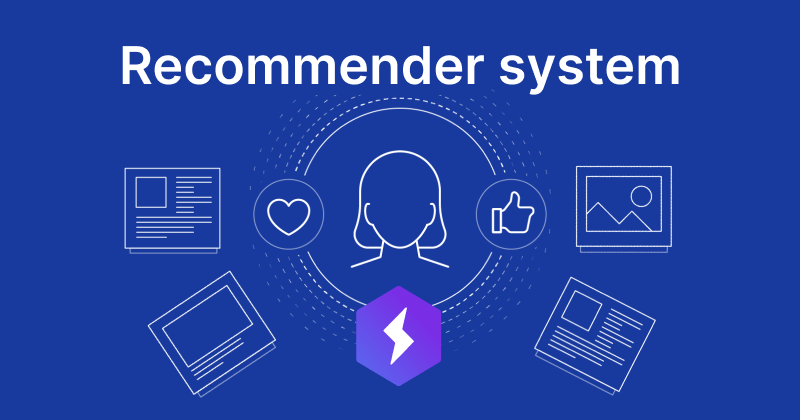
JAKARTA, cssmayo.com – Recommendation Systems: Guiding Choices with Algorithmic Technology. Let me tell you, I’ve always been amazed at how Techno can read my mind. Ever opened Netflix and thought, “Wow, this is exactly what I want to watch”? That’s the magic of recommendation systems working behind the scenes!
Every day, we’re bombarded with choices—movies to watch, products to buy, articles to read. Recommendation systems quietly work behind the scenes to sift through vast amounts of data and guide us toward what we’re most likely to enjoy or need. In this article, we’ll explore how these algorithmic technologies function, why they’re so powerful, and what considerations come with trusting machines to know what we want.
What Are Recommendation Systems?
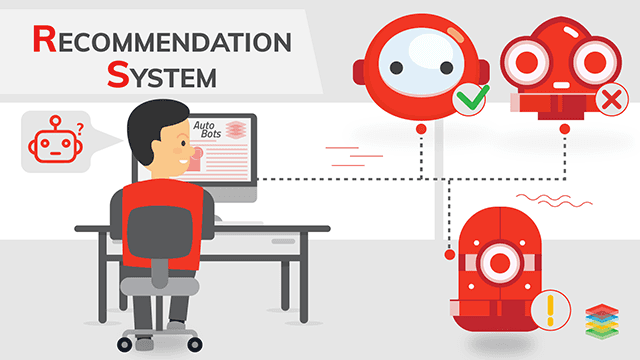
Recommendation systems are AI-driven tools that:
- Collect and analyze user behavior (clicks, views, purchases)
- Infer patterns and preferences
- Predict which items (products, content, services) you’ll engage with
- Deliver personalized suggestions in real time
Instead of manually browsing endless catalogs, recommendation systems surface the most relevant options, enhancing user experience and driving business value.
Core Types of Recommendation Systems
- Collaborative Filtering
• User-based: “People like you also liked…”
• Item-based: “Users who bought X also bought Y” - Content-Based Filtering
• Leverages item attributes (genre, keywords, price) to match your profile - Hybrid Approaches
• Combine collaborative and content-based methods for improved accuracy - Contextual & Session-Based
• Incorporate real-time context (time of day, location, device) and short-term user sessions
Key Components
- Data Collection
• Behavioral (clickstreams, ratings)
• Demographic (age, location)
• Explicit feedback (likes, dislikes) - Machine Learning Models
• Matrix factorization, nearest neighbors, deep learning embeddings - Feedback Loops
• Continuous retraining as new data arrives
• A/B testing of different recommendation strategies - Evaluation Metrics
• Accuracy (precision, recall)
• Diversity and novelty
• Business KPIs (click-through rate, conversion rate)
Benefits of Recommendation Systems
- Enhanced Engagement
Users spend more time on platforms with relevant suggestions. - Increased Revenue
Personalized cross-sells and upsells boost average order value. - Improved Retention
Tailored experiences reduce churn and foster loyalty. - Efficient Discovery
Users find new content or products they might never have discovered otherwise.
Real-World Use Cases
- E-Commerce
“Customers who viewed this item also viewed…” - Streaming Services
Custom playlists and “Because you watched…” queues - News & Content Platforms
Personalized article recommendations based on reading history - Social Media
Suggested connections, groups, and ads - Education & Health Apps
Adaptive learning modules and wellness tips
Challenges & Ethical Considerations
- Cold-Start Problem
• New users/items lack enough data for accurate recommendations - Scalability
• Handling millions of users and items in real time - Filter Bubbles & Echo Chambers
• Over-personalization limits exposure to diverse viewpoints - Bias & Fairness
• Training data may reflect societal biases, leading to discriminatory outcomes - Privacy & Transparency
• Balancing data collection with user consent and clear explanation of recommendations
Best Practices for Responsible Implementation
- Hybrid Models
Combine multiple algorithms to mitigate weaknesses of any one approach. - Diversity Injection
Intentionally introduce novel or diverse items to avoid filter bubbles. - Explainable Recommendations
Show users why an item was suggested (“Recommended because you liked…”). - User Controls
Allow users to refine preferences, reset recommendations, or opt out. - Regular Audits
Monitor performance, fairness, and privacy compliance over time.
Conclusion
Recommendation systems have transformed how we interact with digital content and marketplaces. By harnessing algorithmic technology, they guide our choices and streamline discovery. Yet, with great power comes responsibility: practitioners must address challenges like bias, privacy, and over-personalization to build ethical, transparent, and user-centric systems. As AI advances, the next generation of recommendation systems will be more adaptive, fair, and insightful—continuing to shape our digital experiences in ways we’re only beginning to understand.
Explore our “Techno” category for more insightful content!
Don't forget to check out our previous article: Geoengineering Ethics: Balancing Risks and Benefits