


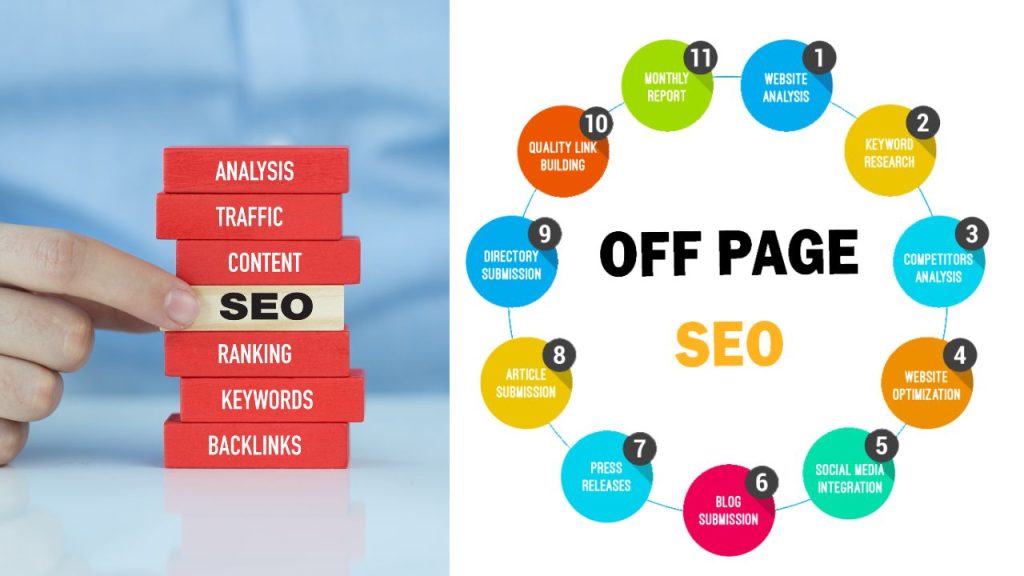
JAKARTA, cssmayo.com – Off-Page SEO: Building Authority and Trust Through External Signals. If you’ve been banging your head trying to outrank your competition, you’re not alone. I used to think SEO was all about stuffing keywords or fiddling with meta tags, but wow, was I missing out on the power of off-page SEO and those sweet, sweet external signals.
Off-page SEO refers to the strategies and techniques used to improve a website’s position in search engine results through external factors. Unlike on-page SEO, which focuses on optimizing elements within your website, off-page SEO emphasizes building authority and trust through external signals. This article shares my real tips and lessons learned about effective off-page SEO practices that can enhance your website’s visibility and credibility.
Understanding Off-Page SEO

1. Definition and Importance
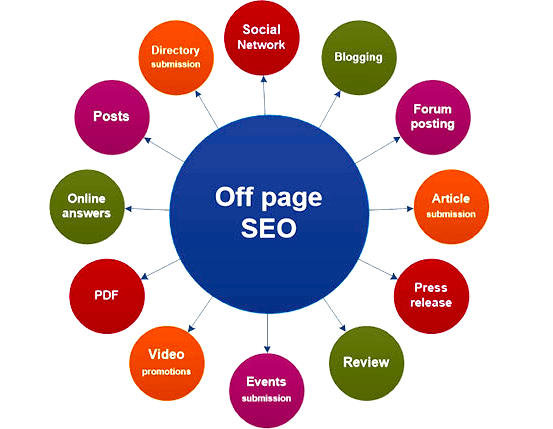
Off-page SEO involves actions taken outside of your website to influence its ranking in search engine results. It plays a crucial role in establishing a website’s authority, trustworthiness, and relevance. Key components include backlinks, social media engagement, and online reputation management.
2. Key Factors Influencing Off-Page SEO
- Backlinks: Links from other websites pointing to your site are a significant ranking factor. High-quality backlinks from authoritative sites signal to search engines that your content is valuable.
- Social Signals: Engagement on social media platforms can drive traffic and increase brand awareness, indirectly influencing search rankings.
- Brand Mentions: Unlinked mentions of your brand across the web can also contribute to your authority and trustworthiness.
Building Quality Backlinks
1. Guest Blogging
Writing guest posts for reputable blogs in your niche is an effective way to build backlinks. Here’s how to do it:
- Identify Relevant Blogs: Look for blogs with a strong following and relevance to your industry.
- Create High-Quality Content: Write informative and engaging articles that provide value to the host blog’s audience.
- Include a Relevant Link: Naturally incorporate a link back to your website within the content or author bio.
2. Resource Pages and Directories
Submitting your website to relevant resource pages and directories can help you gain backlinks. Focus on:
- Niche-Specific Directories: Find directories that cater to your industry for more relevant backlinks.
- High-Quality Resource Pages: Seek out websites that compile valuable resources and request inclusion.
3. Collaborations and Partnerships
Forming partnerships with other businesses or influencers can lead to valuable backlink opportunities. Consider:
- Co-creating Content: Collaborate on articles, videos, or webinars that both parties can promote and link to.
- Cross-Promotions: Promote each other’s content through social media or newsletters, enhancing visibility and credibility.
Leveraging Social Media
1. Engaging Content
Creating shareable and engaging content on social media platforms can drive traffic and improve your off-page SEO. Focus on:
- Visual Content: Use images, infographics, and videos to capture attention and encourage shares.
- Interactive Posts: Engage your audience with polls, questions, and contests to boost interaction.
2. Building a Community
Establishing a strong presence on social media helps build brand loyalty and authority. Tips include:
- Consistent Posting: Maintain a regular posting schedule to keep your audience engaged.
- Responding to Comments: Engage with your followers by responding to comments and messages promptly.
Managing Your Online Reputation
1. Monitoring Brand Mentions
Keep track of mentions of your brand across the web using tools like Google Alerts or social media monitoring tools. This allows you to:
- Engage with Users: Respond to positive mentions to build relationships and address negative feedback promptly.
- Showcase Testimonials: Highlight positive reviews and testimonials on your website and social media to enhance credibility.
2. Encouraging Reviews
Positive reviews on platforms like Google My Business, Yelp, and industry-specific sites can significantly impact your online reputation. Consider:
- Asking for Feedback: Encourage satisfied customers to leave reviews, making it easy for them to do so.
- Responding to Reviews: Acknowledge all reviews, both positive and negative, to demonstrate your commitment to customer satisfaction.
My Real Tips & Lessons Learned
1. Focus on Quality Over Quantity
When it comes to backlinks, prioritize quality over quantity. A few high-quality links from authoritative sites are far more valuable than numerous low-quality ones.
2. Be Patient and Consistent
Off-page SEO is a long-term strategy. Results may take time, so consistency in your efforts is key. Regularly engage in backlink building, social media activity, and reputation management.
3. Measure Your Success
Use tools like Google Analytics and Ahrefs to track your off-page SEO efforts. Monitor referral traffic, backlink profiles, and social media engagement to assess what strategies are working.
Conclusion: Mastering Off-Page SEO
Off-page SEO is essential for building authority and trust in a competitive digital landscape. By focusing on quality backlinks, leveraging social media, and managing your online reputation, you can significantly enhance your website’s visibility and credibility. Implement these real tips and lessons learned to strengthen your off-page SEO strategy and watch your rankings improve over time.
Elevate Your Competence: Uncover Our Insights on Techno
Read Our Most Recent Article About AI Revolution: Understanding the Impact of Artificial Intelligence!

