Understanding NoSQL Databases
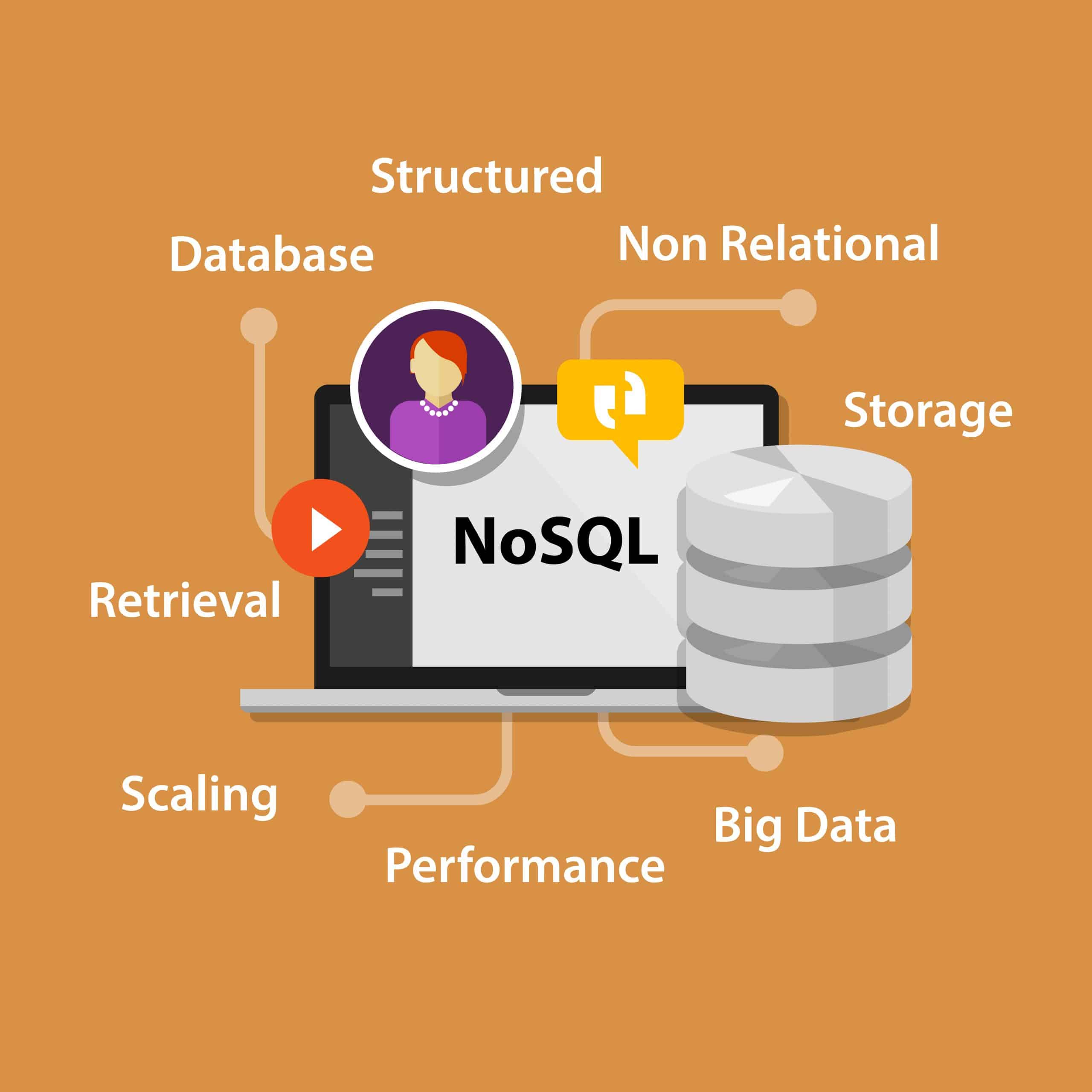
NoSQL, which stands for “Not Only SQL,” encompasses a wide range of database technologies designed to address the limitations of relational databases. NoSQL databases are typically schema-less, allowing for more dynamic data structures and enabling developers to work with various data formats, including structured, semi-structured, and unstructured data.
Key Characteristics of NoSQL Databases
-
Scalability: NoSQL databases are designed to scale horizontally, meaning you can add more servers to handle increased loads without significant performance degradation.
-
Flexibility: They support dynamic schemas, allowing developers to save data without a fixed structure—ideal for agile development.
-
High Availability: Many NoSQL databases are built with replication and distribution in mind, ensuring data is available even in the event of hardware failures.
-
Performance: NoSQL databases are optimized for specific use cases, often providing faster read and write operations compared to traditional relational databases.
Types of NoSQL Databases
NoSQL databases can be categorized into several types, each suited for different use cases:
1. Document Stores
- Description: Document stores store data in documents, typically using formats like JSON or BSON. Each document can have a different structure, making it flexible.
- Examples: MongoDB, CouchDB.
- Use Cases: Content management systems, e-commerce applications, and applications requiring complex data structures.
2. Key-Value Stores
- Description: Key-value stores are the most basic type of NoSQL database, organizing information as simple key–value pairs and delivering extremely fast lookups.
- Examples: Redis, Amazon DynamoDB.
- Use Cases: Caching, session management, and real-time analytics.
3. Column-Family Stores
- Description: Column-family stores organize data into columns rather than rows, allowing for efficient storage and retrieval of large datasets.
- Examples: Apache Cassandra, HBase.
- Use Cases: Time-series data, big data analytics, and applications requiring high write throughput.
4. Graph Databases
- Description: Graph databases are designed to represent and query relationships between data points using nodes, edges, and properties.
- Examples: Neo4j, Amazon Neptune.
- Use Cases: Social networks, recommendation engines, and fraud detection.
Advantages of NoSQL Databases
-
Scalability: NoSQL databases scale out effortlessly to manage massive datasets and heavy traffic, making them ideal for workloads that fluctuate.
-
Schema Flexibility: The ability to store unstructured or semi-structured data allows for rapid development and iteration without the need for extensive database migrations.
-
Performance Optimization: Many NoSQL databases are optimized for specific access patterns, allowing for faster data retrieval and lower latency.
-
Cost-Effectiveness: By leveraging commodity hardware and cloud-based solutions, organizations can reduce infrastructure costs while scaling their applications.
Choosing the Right NoSQL Database
When selecting a NoSQL database for your application, consider the following factors:
1. Data Model
Evaluate the structure of your data and choose a database that aligns with your data model. For example, if your data is highly relational, a graph database might be more suitable, while document stores are ideal for semi-structured data.
2. Scalability Needs
Consider your application’s scalability requirements. If you anticipate rapid growth or fluctuating workloads, opt for a database that supports horizontal scaling.
3. Performance Requirements
Analyze the performance characteristics of different NoSQL databases. Some may excel in read-heavy workloads, while others perform better with write-heavy operations.
4. Consistency vs. Availability
Understand the trade-offs between consistency and availability in distributed systems. Depending on your application’s needs, you may prioritize one over the other. Familiarize yourself with the CAP theorem, which states that a distributed system can only guarantee two out of three: Consistency, Availability, and Partition Tolerance.
5. Ecosystem and Community Support
Choose a NoSQL database with a strong community and ecosystem. This ensures access to documentation, libraries, and support, which can be crucial for development and troubleshooting.
Conclusion
NoSQL databases offer a powerful alternative to traditional relational databases, providing the scalability, flexibility, and performance needed for modern applications. By understanding the different types of NoSQL databases and their advantages, you can make informed decisions when selecting the right non-relational store for your scalable applications. As data continues to grow in volume and complexity, embracing NoSQL technologies will be essential for organizations looking to thrive in the digital age.
Explore our “Techno” category for more insightful content!
Don't forget to check out our previous article: Public Key: Understanding Asymmetric Cryptography for Secure Communications