


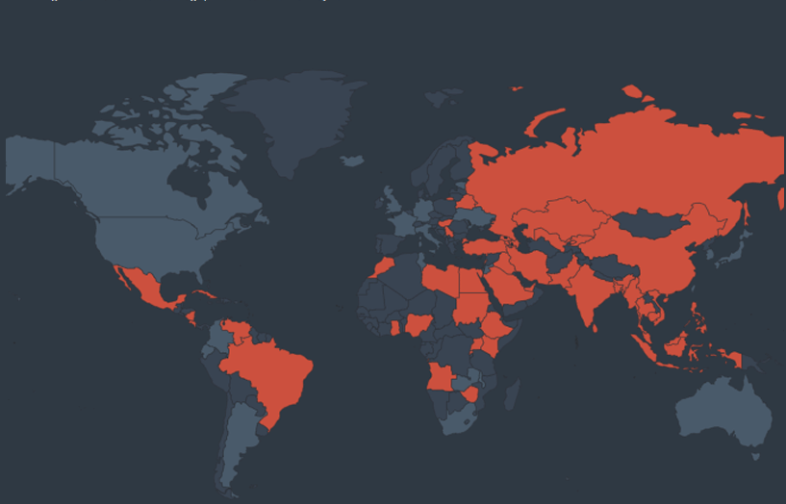
Jakarta, cssmayo.com – Internet Freedom has become one of the defining issues of the digital age, shaping how individuals access information, express opinions, communicate with others, and participate in public life online. As the internet has grown into a central space for education, commerce, activism, entertainment, and political discussion, the question of freedom in digital environments has become increasingly important. Internet freedom is not only about access to websites or platforms. It is also about the broader conditions that determine whether people can use the internet openly, safely, and fairly.
What makes Internet Freedom especially significant is the balance it requires between openness and control. Governments, technology companies, civil society groups, and users all play roles in shaping the digital landscape. Issues such as censorship, surveillance, privacy, misinformation, digital rights, and access inequality all influence how free the internet truly is in practice. It is a space full of possibility, but also one where the rules can shift quietly, like furniture rearranged in the dark by someone claiming it is for your own good.
What Internet Freedom Is


Internet Freedom refers to the ability of individuals and communities to access, use, create, and share information online without unjustified restriction, censorship, or interference. It also involves the protection of rights such as freedom of expression, privacy, access to information, and equal participation in digital spaces. Internet freedom does not mean the absence of all regulation, but rather the presence of fair, transparent, and rights-respecting digital governance.
Common features associated with Internet Freedom include:
- Open access to online information
- Freedom of digital expression
- Protection of user privacy
- Limited and accountable censorship
- Equal participation in online spaces
- Secure digital communication
- Transparency in platform and state control
- Support for digital rights
These features explain why Internet Freedom is central to democratic participation and digital life.
Why Internet Freedom Matters
Internet Freedom matters because the internet is now deeply integrated into everyday life, public discourse, and access to opportunity.
Freedom of Expression
People rely on digital platforms to share views, debate ideas, and participate in civic discussion.
Access to Information
An open internet supports education, awareness, research, and informed decision-making.
Privacy and Security
Users need protection from intrusive surveillance and unjustified data collection.
Democratic Participation
Internet freedom supports activism, journalism, organizing, and public accountability.
Innovation and Inclusion
A more open digital environment encourages creativity, entrepreneurship, and broader participation.
These strengths explain why Internet Freedom is more than a technical issue. It is a social and political one.
Core Characteristics of Internet Freedom
Its significance becomes clearer when its main dimensions are viewed together.
| Characteristic | Description | Why It Matters |
|---|---|---|
| Open access | Users can reach information and services freely | Supports knowledge and participation |
| Free expression | People can communicate opinions online | Protects civic and cultural life |
| Privacy protection | Personal data and communication are safeguarded | Builds trust and autonomy |
| Fair governance | Rules are transparent and rights-based | Prevents abuse of digital power |
| Equal digital opportunity | Users can participate without unfair barriers | Promotes inclusion and innovation |
Together, these characteristics show why Internet Freedom remains a vital part of the modern digital landscape.
Challenges in the Digital Landscape
Internet Freedom faces growing challenges as digital platforms and state technologies become more powerful. The digital landscape is shaped by competing pressures involving control, security, profit, and public interest.
Censorship
Content may be blocked, filtered, or restricted for political, social, or commercial reasons.
Surveillance
Governments and companies may monitor user activity in ways that threaten privacy and autonomy.
Platform Power
Large technology platforms influence what users see, share, and prioritize online.
Misinformation and Regulation
Efforts to combat harmful content can create tension with free expression and open access.
Digital Inequality
Not all individuals or communities have equal internet access, literacy, or technological protection.
These issues show why Internet Freedom requires ongoing legal, political, and social attention.
How Internet Freedom Shapes Society
Internet Freedom shapes society by influencing who can speak, who can learn, who can organize, and who can be heard in digital spaces. It affects journalism, education, commerce, activism, social connection, and political participation. In countries where internet freedom is stronger, digital space can serve as a platform for dialogue and accountability. Where it is weaker, the internet may become more controlled, unequal, and restrictive.
It is especially associated with:
- Digital rights
- Online expression
- Information access
- Privacy protection
- Platform governance
- Civil society advocacy
- Government regulation
- Global internet policy
This broad application shows how Internet Freedom extends across law, technology, politics, and everyday digital experience.
Why It Remains Important
Internet Freedom remains important because the digital world is now inseparable from modern social, economic, and political life. Restricting online freedom can limit access to information, weaken democratic participation, and reduce individual autonomy. At the same time, protecting internet freedom requires thoughtful governance that addresses harm without undermining rights. The challenge is not simply to keep the internet open, but to keep it open in a way that is fair, secure, and sustainable.
It continues to stand out because it provides:
- Support for free expression and access to knowledge
- Protection of privacy and digital autonomy
- Stronger foundations for civic participation
- Greater inclusion in digital opportunities
- A rights-based framework for online governance
This is why Internet Freedom remains essential to navigating the digital landscape.
Final Thoughts
Internet Freedom highlights the larger question of what kind of digital society people want to build. It is about keeping the internet open enough to support expression, learning, innovation, and participation, while also ensuring that power in digital spaces is transparent and accountable. As digital life becomes more central to human experience, the meaning and protection of internet freedom will only grow in importance.
The key takeaway is simple. Internet Freedom matters because it determines whether the digital landscape remains a space of access, expression, rights, and meaningful participation.
Explore our “”Techno“” category for more insightful content!
Don't forget to check out our previous article: Continuous Delivery: Ensuring Reliable Software Releases

