Genomic Sequencing: Unlocking Genetic Information with Technology to Shape Our Health
Bella Sanders
JAKARTA, cssmayo.com – Genomic Sequencing: Unlocking Genetic Information with Technology. Sounds complicated? Honestly, I used to think so too. But after diving in and playing around with this Techno, I realized it’s not just for scientists—it’s for anyone who cares about health (and a bit of curiosity!).
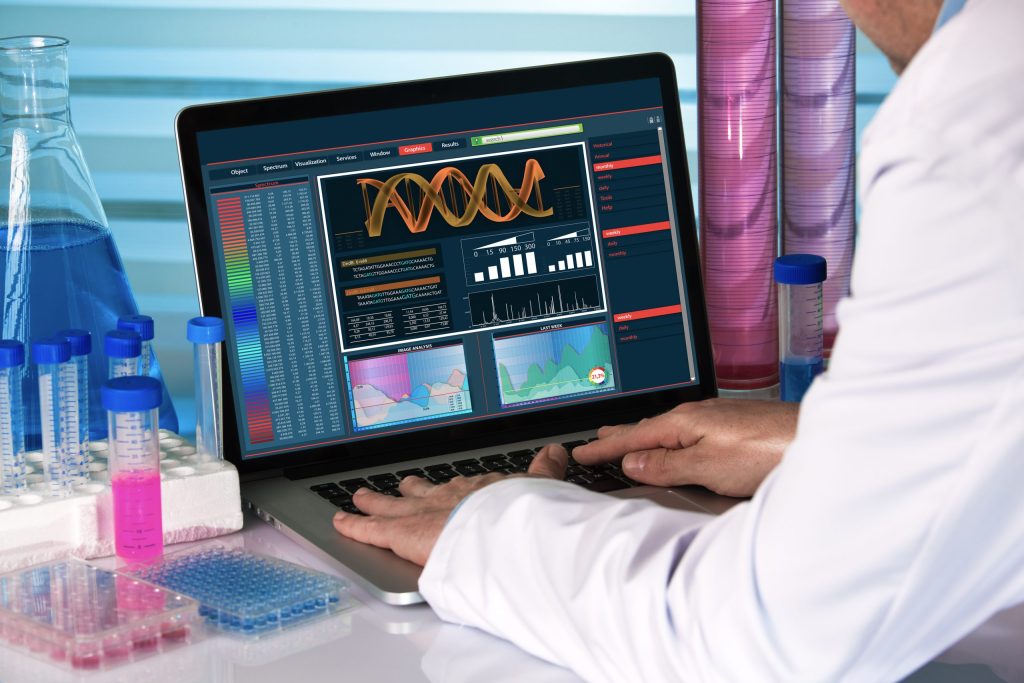
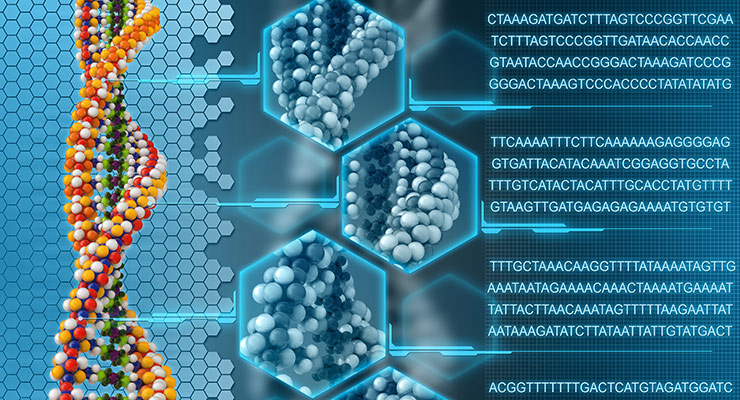
In the rapidly evolving field of biotechnology, Genomic Sequencing has emerged as a transformative tool that is reshaping our understanding of the human genome and its impact on our health. By harnessing the power of advanced technologies, scientists and researchers are now able to decode the intricate genetic blueprints that define our individual characteristics and predispositions.
The Genomic Revolution
Over the past two decades, the field of genomics has undergone a remarkable transformation, driven by the exponential advancements in DNA sequencing technologies, bioinformatics, and computational power. This genomic revolution has enabled the rapid and cost-effective sequencing of entire genomes, providing unprecedented insights into the genetic underpinnings of human health and disease.
Unlocking the Potential of Genomic Sequencing
Genomic Sequencing has opened up a world of possibilities in various domains, including:
Personalized Medicine: By analyzing an individual’s genetic profile, healthcare providers can tailor diagnostic tests, preventive strategies, and treatment approaches to their unique genetic makeup, ushering in a new era of personalized and precision medicine.
Genetic Screening and Diagnostics: Genomic Sequencing techniques are being employed to screen for genetic disorders, identify predispositions to certain diseases, and facilitate early detection and intervention, leading to improved health outcomes.
Pharmacogenomics: Understanding the genetic factors that influence an individual’s response to drugs is enabling the development of more effective and safer pharmaceutical treatments, reducing the risk of adverse reactions and improving therapeutic efficacy.
Evolutionary and Comparative Genomics: Analyzing and comparing the genomes of different species is shedding light on the evolutionary processes that have shaped the diversity of life on our planet, with far-reaching implications for fields such as evolutionary biology and conservation.
Precision Agriculture and Biotechnology: Genomic Sequencing is also being applied to the development of improved crop varieties, the engineering of microorganisms for industrial applications, and the advancement of sustainable biofuel production.
Real-Life Genomic Sequencing Applications
To illustrate the transformative power of Genomic Sequencing, let’s explore some real-life examples:
Identifying Genetic Causes of Rare Diseases: In a clinical setting, whole-genome sequencing is being used to diagnose and manage rare genetic disorders, providing families with answers and guiding the development of targeted therapies.
Predicting Cancer Risk and Guiding Treatment: By analyzing the genetic profiles of cancer patients, oncologists can now better predict the risk of developing certain types of cancer and tailor treatment plans to the specific genetic alterations present in a tumor.
Tracing the Origins of Infectious Diseases: Public health authorities are leveraging genomic sequencing techniques to track the spread of infectious diseases, such as COVID-19, and identify the genetic markers that influence disease transmission and severity.
Improving Crop Yields and Resilience: In the agricultural sector, genomic sequencing is enabling the development of crops with enhanced traits, such as drought tolerance, disease resistance, and improved nutritional profiles, contributing to global food security.
Navigating the Challenges
While the potential of Genomic Sequencing is immense, there are also significant challenges that must be addressed, including data privacy and security concerns, ethical considerations surrounding the use of genetic information, the need for robust bioinformatics infrastructure, and the importance of genetic literacy among healthcare providers and the general public.
Conclusion
Genomic Sequencing is at the forefront of a revolution in our understanding of the human genome and its impact on our health and well-being. As we continue to unlock the secrets of our genetic code, it is crucial that we remain committed to leveraging this powerful technology in a responsible and ethical manner, ensuring that the benefits of Genomic Sequencing are accessible to all and that the privacy and autonomy of individuals are protected. By embracing the transformative potential of this field, we can pave the way for a future where personalized healthcare, sustainable agriculture, and a deeper understanding of the living world converge to improve the lives of individuals and communities around the globe.
Elevate Your Competence: Uncover Our Insights on Techno