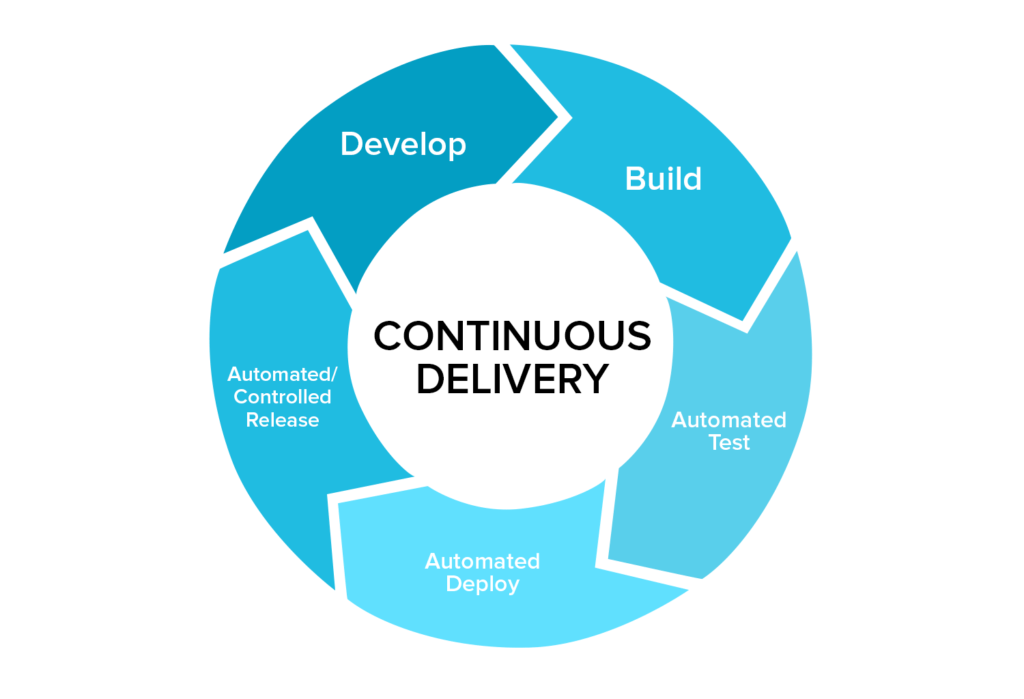
Jakarta, cssmayo.com – Continuous Delivery is a software development practice that helps teams release code changes in a reliable, repeatable, and low-risk way. Instead of treating deployment as a stressful, infrequent event, continuous delivery builds a process where software is always kept in a deployable state. Through automation, testing, and consistent release workflows, teams can move updates from development to production with greater speed and confidence.
What makes Continuous Delivery especially important is that reliable releases are not achieved through luck or late-night heroics. They come from disciplined systems that reduce manual errors, validate changes early, and make deployment routine rather than dramatic. In modern software environments where users expect fast improvements and stable experiences, continuous delivery provides the operational backbone needed to ship often without breaking everything in sight.
What Continuous Delivery Is
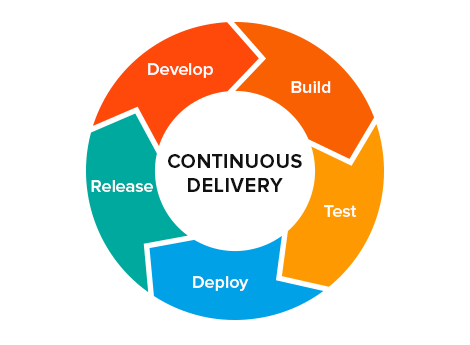
Continuous Delivery is a development and release approach in which software changes are automatically built, tested, and prepared for deployment so that the application can be released at any time. The goal is not necessarily to deploy every change immediately, but to ensure that each validated change is ready for safe release. This requires strong automation, version control practices, testing discipline, and dependable deployment pipelines.
Common features associated with Continuous Delivery include:
- Automated build and test pipelines
- Frequent integration of code changes
- Software kept in a deployable state
- Repeatable release processes
- Reduced manual deployment steps
- Early defect detection
- Consistent environments across stages
- Faster and safer delivery cycles
These features explain why Continuous Delivery is central to modern software release reliability.
Why Continuous Delivery Matters
Continuous Delivery matters because software quality and release speed both depend on the ability to deliver changes safely.
Release Reliability
Automated validation reduces the risk of broken deployments.
Faster Time to Market
Teams can ship improvements more quickly and consistently.
Lower Deployment Risk
Smaller, incremental changes are easier to test, review, and roll back.
Better Team Confidence
Developers and operations teams work with more predictable release processes.
Continuous Improvement
Frequent delivery supports faster feedback and ongoing product refinement.
These strengths explain why Continuous Delivery remains a key DevOps and engineering practice.
Core Characteristics of Continuous Delivery
Its value becomes clearer when its main principles are viewed together.
| Characteristic | Description | Why It Matters |
|---|---|---|
| Automation | Builds, tests, and release steps are automated | Reduces human error and delay |
| Deployable state | Code is always prepared for release | Enables rapid and flexible deployment |
| Incremental change | Work is delivered in smaller updates | Improves safety and traceability |
| Consistency | Environments and processes are standardized | Increases reliability across stages |
| Fast feedback | Problems are detected earlier in the pipeline | Helps teams correct issues quickly |
Together, these characteristics show why Continuous Delivery supports both speed and stability in software development.
How Continuous Delivery Ensures Reliable Software Releases
Continuous Delivery ensures reliable software releases by creating a pipeline in which code changes are continuously integrated, automatically tested, and systematically prepared for deployment. Every stage of the pipeline helps verify that the software behaves as expected before it reaches users. This may include unit tests, integration tests, security checks, artifact packaging, infrastructure validation, and staging environment verification.
It is especially associated with:
- CI/CD pipelines
- Automated testing
- Version control workflows
- Deployment automation
- Infrastructure as code
- Release management
- Rollback strategies
- Monitoring and observability
This broad application shows how Continuous Delivery turns release quality into a process rather than a last-minute hope.
Common Benefits in Practice
Continuous Delivery delivers practical benefits across technical and business dimensions.
Technical Benefits
- Fewer release failures
- Faster bug detection
- More stable deployment processes
- Easier rollback and recovery
- Improved environment consistency
Business Benefits
- Faster feature delivery
- Quicker response to user needs
- Better service reliability
- Greater customer trust
- Stronger alignment between development and operations
These benefits explain why organizations adopt Continuous Delivery as part of broader software modernization.
Why It Remains Important
Continuous Delivery remains important because software systems are expected to evolve continuously while maintaining reliability, security, and performance. As applications become more complex and release expectations become faster, teams need disciplined delivery practices that reduce friction without increasing risk. Continuous delivery helps organizations meet that challenge by making release readiness a normal condition rather than a rare event.
It continues to stand out because it provides:
- Reliable and repeatable software releases
- Faster deployment capability
- Lower operational risk
- Better engineering collaboration
- A strong foundation for scalable DevOps practices
This is why Continuous Delivery remains essential to ensuring reliable software releases.
Final Thoughts
Continuous Delivery highlights how reliable software release processes are built through automation, consistency, and disciplined engineering practices. Its strength lies in helping teams deliver updates quickly while maintaining confidence in stability and quality. In modern software development, release success depends less on big launch moments and more on the quiet excellence of a well-designed pipeline.
The key takeaway is simple. Continuous Delivery matters because ensuring reliable software releases requires automation, deployable systems, and a process that makes quality continuous rather than occasional.
Explore our “”Techno“” category for more insightful content!
Don't forget to check out our previous article: Software Architecture: Designing Scalable, Maintainable, and Resilient Software Systems S