CDN Networks: Accelerating Web Performance with Global Caching Strategies
Nissy Ho
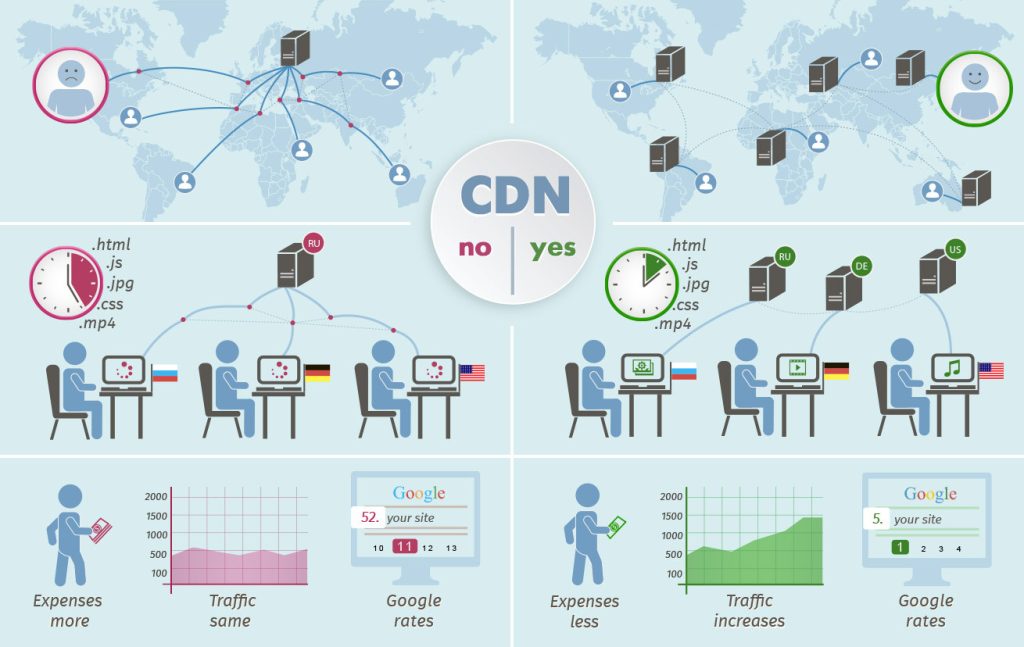
Jakarta, cssmayo.com – Website speed is no longer a secondary technical concern. It shapes user satisfaction, search visibility, engagement, and conversion outcomes. That is why CDN Networks have become such an important part of modern web infrastructure. By distributing cached content across geographically dispersed servers, CDN networks help websites and applications deliver assets faster, reduce latency, and improve resilience under varying traffic conditions.
What makes CDN Networks especially valuable is their ability to move performance closer to the user. Instead of forcing every request to travel back to a distant origin server, a CDN can serve many assets from locations nearer to the visitor, which makes digital experiences feel faster and more reliable.
What CDN Networks Are
CDN Networks, or content delivery networks, are distributed systems of servers designed to cache and deliver web content from multiple geographic locations. Their purpose is to shorten the distance between users and the assets they request, such as images, scripts, stylesheets, video, and other static or semi-static resources.
In practice, CDN Networks help by:
Caching frequently requested content
Reducing load on origin infrastructure
Serving assets from nearby edge locations
Improving performance during high traffic periods
This structure is what allows a global audience to experience more consistent speed.
Why CDN Networks Improve Web Performance
The effectiveness of CDN Networks comes from how they reduce delivery friction.
Lower Latency
Content served from nearby edge servers reaches users faster.
Reduced Origin Load
Repeated requests can be handled by cached copies instead of the origin server.
Better Scalability
Traffic spikes are easier to absorb when requests are distributed across many servers.
Improved Availability
Distributed infrastructure helps reduce the impact of localized outages or congestion.
In practical terms, CDN Networks help websites stop making every user travel the longest possible route for a file that was requested a thousand times already. The internet appreciates this efficiency, and so do impatient humans.
Core Components of CDN Networks
Several technical elements define how CDN Networks operate.
Edge Servers
These are geographically distributed servers that cache and serve content closer to users.
Caching Policies
Rules determine what content is stored, for how long, and under what conditions it is refreshed.
Origin Server Integration
The CDN retrieves content from the origin when needed and then distributes it outward.
Request Routing
Traffic is directed to the most appropriate edge location based on factors such as geography and network performance.
Content Optimization
Some CDN platforms also compress, resize, or optimize assets before delivery.
These elements work together to make CDN Networks effective at large scale.
Key Benefits of CDN Networks
A closer look shows why CDN Networks are widely used across modern digital services.
Benefit
How CDN Networks Help
Why It Matters
Faster Load Times
Delivers cached assets from nearby servers
Improves user experience
Scalability
Distributes traffic across infrastructure
Supports peak demand
Reduced Bandwidth Pressure
Offloads repeated requests from the origin
Improves backend efficiency
Higher Availability
Uses distributed delivery paths
Increases resilience
Global Reach
Serves users more consistently across regions
Supports international audiences
These benefits make CDN Networks important not only for performance, but also for operational stability.
Common Use Cases for CDN Networks
The value of CDN Networks appears across many types of digital platforms.
Websites and Blogs
Static assets load faster and place less demand on the hosting environment.
E-Commerce Platforms
Faster delivery improves browsing, product viewing, and transaction flow.
Streaming and Media Services
Distributed caching supports more efficient delivery of large media assets.
SaaS Applications
User-facing resources can be delivered more quickly across different regions.
High-Traffic Campaigns
Marketing events, product launches, and seasonal peaks benefit from added scalability.
In each of these cases, CDN Networks help create a smoother and more reliable user experience.
Challenges and Considerations
While CDN Networks provide major benefits, they also require thoughtful management.
Cache Invalidation
Outdated content must be refreshed carefully to avoid serving stale assets.
Dynamic Content Complexity
Not all application content is equally cacheable.
Configuration Quality
Poor caching rules or routing decisions can reduce performance gains.
Cost and Provider Selection
Organizations need to balance features, scale, and budget.
These considerations matter because a CDN is not just a switch you flip. It is infrastructure that rewards good planning and punishes casual assumptions with exquisite efficiency.
Final Thoughts
CDN Networks play a critical role in accelerating web performance through global caching strategies. By serving assets from distributed edge locations, they reduce latency, improve scalability, lighten origin load, and help websites deliver a faster and more dependable experience to users around the world.
The key takeaway is simple: CDN Networks matter because performance depends heavily on proximity, caching intelligence, and resilient delivery infrastructure. In a digital environment where speed shapes outcomes, CDN strategy is a core advantage.
Explore our “”Techno“” category for more insightful content!