API Design: Craft Consistent, Maintainable Endpoints and Payloads—Real-World Lessons and Hard-Won Tips
Dinda Parker
JAKARTA, cssmayo.com – API Design: Craft Consistent, Maintainable Endpoints and Payloads—this is something I wish I’d mastered way earlier in my dev journey. Honestly, my first APIs? Hot mess. Endpoints all over the place, payloads changing with every new feature. Techno jargon aside, it was chaos even I couldn’t untangle. If my younger self could read this, he’d save himself a lot of late nights squashing bugs.
API design is a critical aspect of software development that significantly impacts how applications communicate and interact. Well-designed APIs enable seamless integration, enhance user experience, and ensure maintainability over time. This article shares real-world lessons and hard-won tips for crafting consistent, maintainable endpoints and payloads in API design.
Understanding the Importance of API Design
Effective API design is essential for several reasons:
User Experience: A well-designed API provides a smooth and intuitive experience for developers, making it easier for them to integrate and utilize your services.
Maintainability: Consistent design practices lead to easier maintenance and updates, reducing the technical debt associated with poorly structured APIs.
Scalability: A robust API design can accommodate growth, allowing for new features and endpoints to be added without disrupting existing functionality.
Interoperability: APIs that adhere to standards and best practices are more likely to work seamlessly with other systems, fostering collaboration and integration.
Key Principles of API Design
1. Consistency is Key
Consistency in naming conventions, endpoint structures, and response formats is crucial for a user-friendly API. Here are some tips for achieving consistency:
Naming Conventions: Use clear and descriptive names for endpoints and parameters. Stick to a naming convention (e.g., camelCase, snake_case) throughout your API.
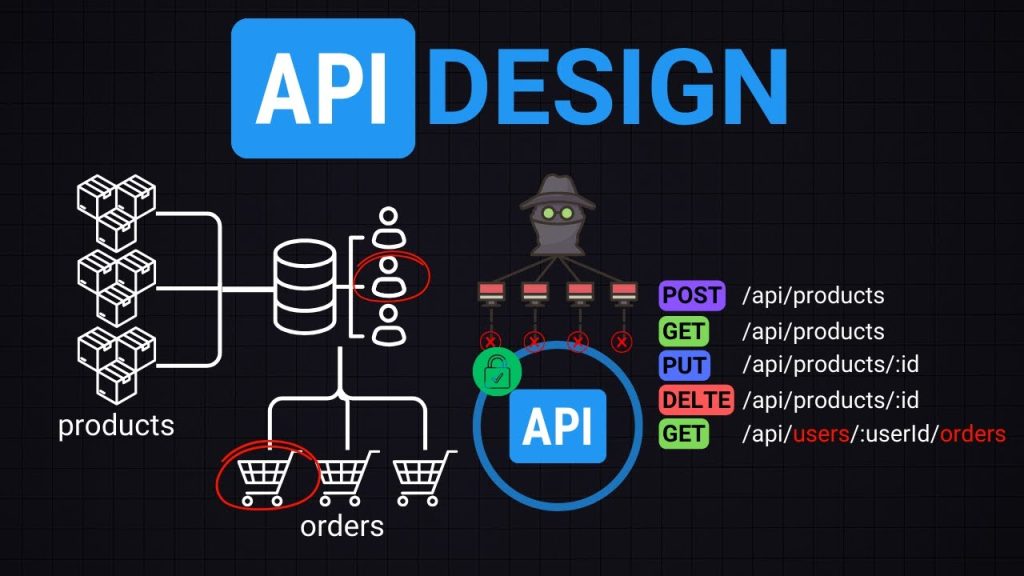
HTTP Methods: Use standard HTTP methods (GET, POST, PUT, DELETE) consistently to represent actions. For example, use GET for retrieving data and POST for creating new resources.
Response Formats: Standardize your response formats, including success and error responses. This makes it easier for clients to handle responses uniformly.
2. Resource-Oriented Design
APIs should be designed around resources rather than actions. This approach enhances clarity and aligns with RESTful principles. Consider the following:
Use Nouns for Endpoints: Design endpoints that represent resources using nouns, such as /users, /products, or /orders, rather than actions like /getUsers or /createProduct.
Hierarchical Structure: Organize your endpoints hierarchically to reflect relationships between resources. For example, /users/{userId}/orders indicates that orders belong to a specific user.
3. Versioning Your API
As your API evolves, it’s essential to maintain backward compatibility for existing clients. Implementing versioning allows you to introduce changes without breaking existing functionality. Here are some strategies:
URI Versioning: Include the version number in the URL, such as /v1/users. This approach is straightforward and easy to understand.
Header Versioning: Alternatively, you can use custom headers to specify the API version, allowing for cleaner URLs but requiring clients to manage headers.
4. Clear and Informative Documentation
Comprehensive documentation is vital for a successful API. It helps developers understand how to use your API effectively. Consider the following tips:
Interactive Documentation: Use tools like Swagger or Postman to create interactive API documentation that allows developers to test endpoints directly from the documentation.
Examples and Use Cases: Provide clear examples of requests and responses, along with common use cases. This helps developers quickly grasp how to integrate with your API.
Real-World Lessons and Hard-Won Tips
1. Plan for Error Handling
One of my early mistakes was not giving enough thought to error handling. A robust error handling strategy is essential for a smooth developer experience. Here’s what I learned:
Standardize Error Responses: Use a consistent error response format, including an error code, message, and any relevant details. For example:
Copy
{ "error":{ "code":404, "message":"User not found", "details":"The user with ID 123 does not exist." } }
HTTP Status Codes: Utilize appropriate HTTP status codes to convey the result of API requests. For instance, use 404 for not found, 400 for bad requests, and 500 for server errors.
2. Avoid Over-Engineering
In my quest for a perfect API, I often over-engineered endpoints with excessive features and parameters. Simplicity is key. Here’s how to keep it simple:
Focus on Core Functionality: Start with the essential features and iterate based on user feedback. Avoid adding unnecessary complexity in the initial design.
Limit Parameters: Keep the number of parameters to a minimum. If an endpoint requires too many parameters, consider breaking it into multiple simpler endpoints.
3. Implement Rate Limiting
Early on, I faced challenges with clients making excessive requests, leading to performance degradation. Implementing rate limiting helped mitigate this issue:
Define Rate Limits: Set clear limits on how many requests a client can make within a specific timeframe (e.g., 100 requests per minute).
Provide Feedback: Inform clients when they have exceeded their rate limits with appropriate HTTP status codes (e.g., 429 Too Many Requests) and error messages.
4. Solicit Feedback and Iterate
API design is an iterative process. Engaging with users and gathering feedback is crucial for continuous improvement:
Beta Testing: Before launching a new API version, consider conducting beta testing with a select group of users to gather feedback and identify potential issues.
Regular Reviews: Schedule regular reviews of your API design and documentation based on user feedback and evolving requirements.
Conclusion
API design is a vital aspect of creating scalable and maintainable web services. By adhering to key principles such as consistency, resource-oriented design, and clear documentation, you can craft APIs that provide a seamless experience for developers. Learning from real-world lessons and applying hard-won tips will help you avoid common pitfalls and create APIs that stand the test of time. Embrace the iterative nature of API design, and continuously seek feedback to refine and enhance your endpoints and payloads. With thoughtful design, your APIs can become powerful tools that drive innovation and integration in the digital landscape.
Explore our “Techno” category for more insightful content!