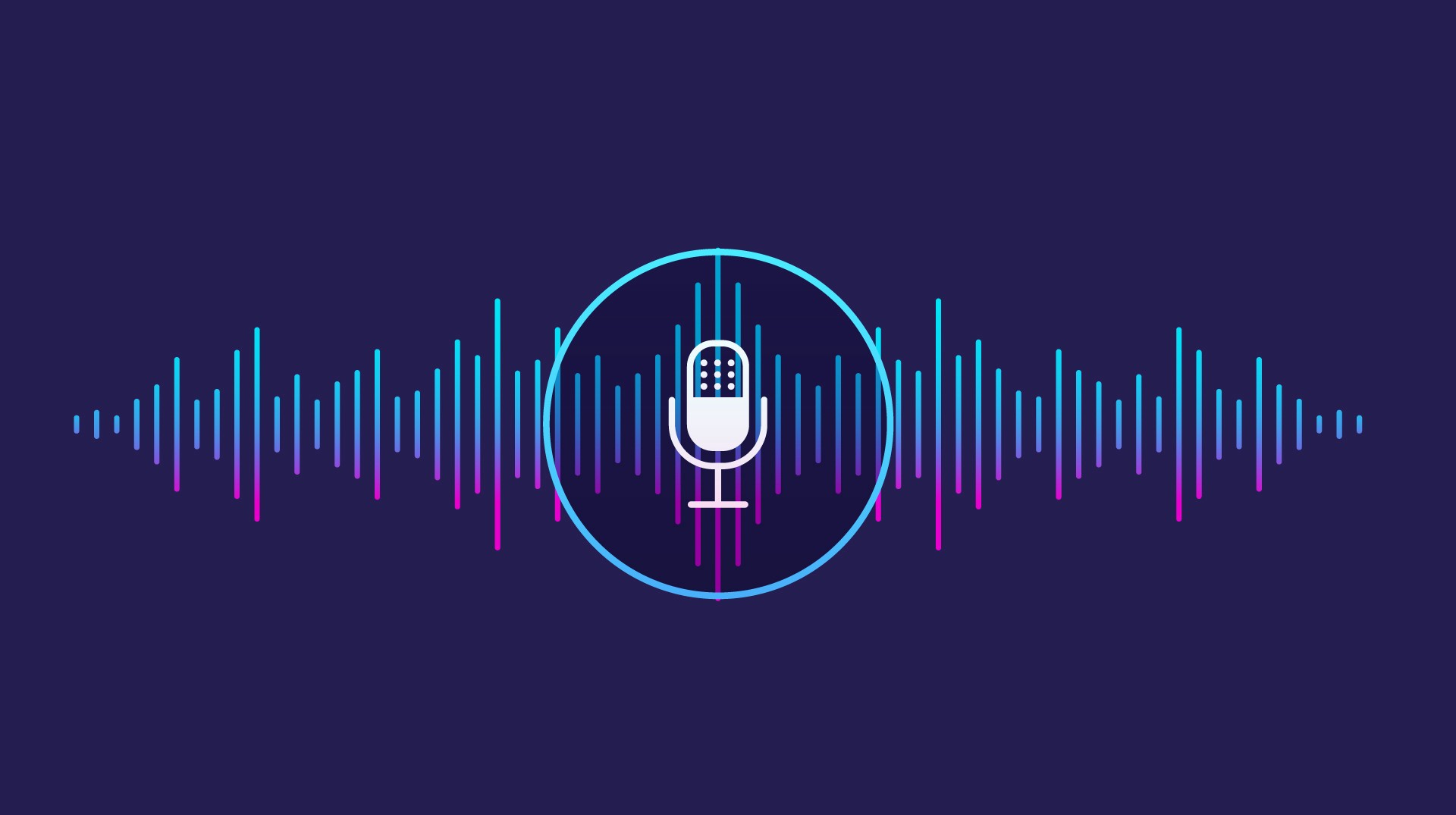
Jakarta, cssmayo.com – Voice Assistants are intelligent software systems designed to respond to spoken commands, answer questions, perform tasks, and support hands-free interaction across devices and digital platforms. They have become an increasingly familiar part of modern technology, appearing in smartphones, smart speakers, cars, appliances, and workplace tools. By allowing users to interact through natural speech, Voice Assistants make technology more accessible, convenient, and responsive to everyday needs. In many ways, they are the helpful digital butlers of the modern era, just with more cloud infrastructure and fewer waistcoats.
What makes Voice Assistants especially important is their role in reshaping the relationship between humans and machines. Rather than relying entirely on typing, tapping, or clicking, users can request information, set reminders, control smart devices, send messages, or manage routines using only their voice. This shift supports convenience, multitasking, accessibility, and more intuitive digital experiences.
What Voice Assistants Are
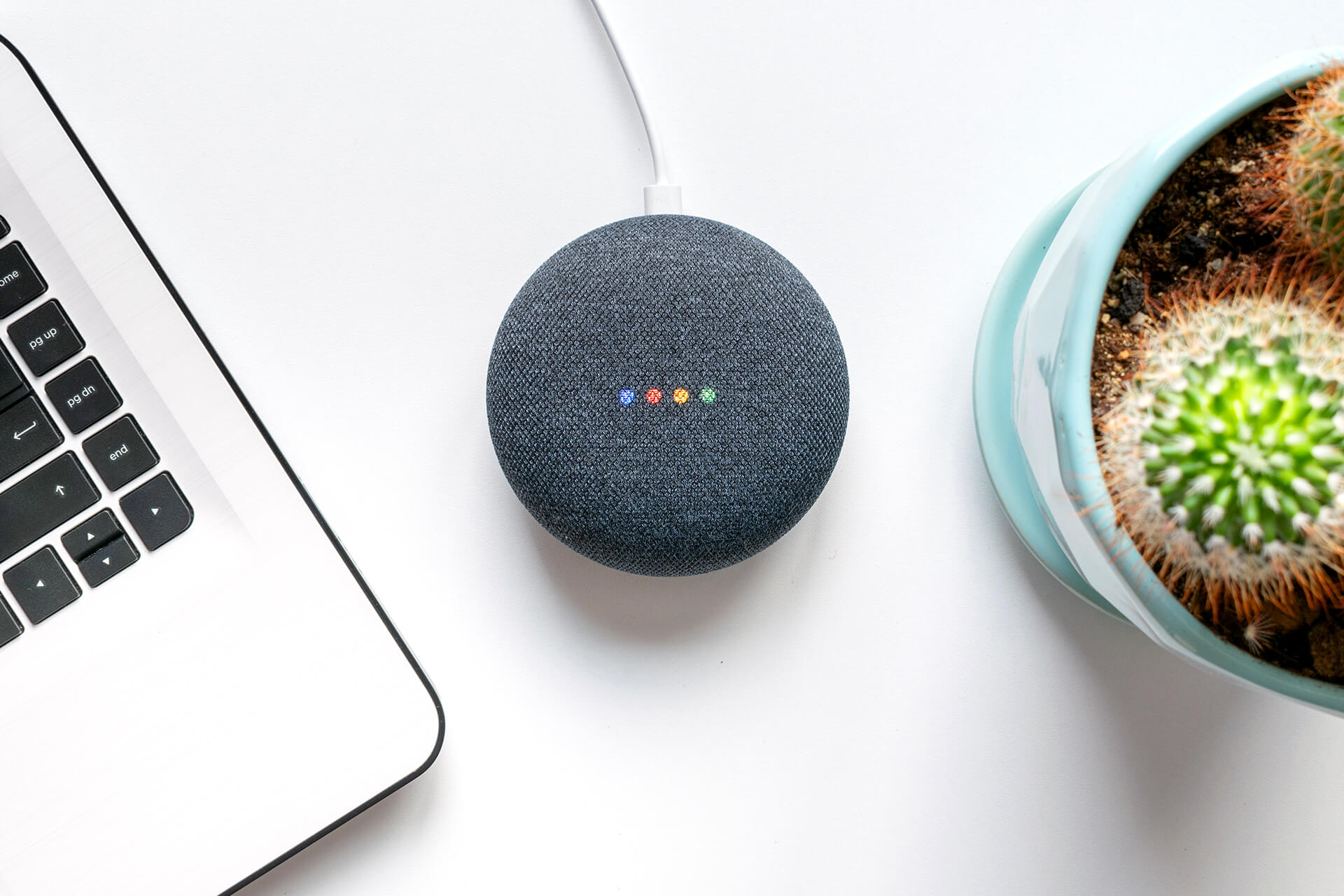
Voice Assistants are software-powered interfaces that use speech recognition, natural language processing, and task automation to interpret voice input and generate useful responses or actions. Depending on the system, a voice assistant may answer factual questions, control device settings, play media, provide navigation, automate workflows, or integrate with third-party services.
Common features associated with Voice Assistants include:
- Spoken command recognition
- Natural language understanding
- Voice-based responses
- Task execution and automation
- Smart home integration
- Information retrieval
- Hands-free device control
- Personalized user interaction
These features explain why Voice Assistants are becoming central to many digital ecosystems.
Why Voice Assistants Matter
Voice Assistants matter because they make digital interaction faster, simpler, and more accessible in many situations.
Hands-Free Convenience
Users can perform tasks while driving, cooking, working, or moving.
Accessibility Support
Voice interfaces can help people with visual, motor, or reading challenges interact more easily with technology.
Natural Interaction
Speaking is often more intuitive than navigating complex menus.
Device Integration
Voice assistants can connect multiple tools and services into one experience.
Everyday Efficiency
They save time on common actions like checking weather, setting alarms, or controlling devices.
These strengths help explain why Voice Assistants continue to expand in both consumer and professional settings.
Core Characteristics of Voice Assistants
Their value becomes clearer when their defining traits are viewed together.
| Characteristic | Description | Why It Matters |
|---|---|---|
| Speech recognition | Converts spoken input into machine-readable commands | Enables voice interaction |
| Natural language processing | Interprets user intent from everyday language | Makes communication more flexible |
| Task automation | Executes actions such as reminders or device control | Increases convenience |
| Cross-device presence | Operates on phones, speakers, cars, and smart devices | Expands usefulness |
| Personalized interaction | Adapts responses based on user context or preferences | Improves user experience |
Together, these characteristics show why Voice Assistants are both practical and transformative.
How Voice Assistants Are Commonly Applied
Voice Assistants are commonly applied in smartphones, smart home systems, in-car navigation, wearable devices, office productivity tools, entertainment systems, and customer support environments. Their value is especially high where screenless or quick interaction is preferred.
They are especially relevant for:
- Smart speakers and home automation
- Mobile phone assistance
- In-car voice control
- Calendar and reminder management
- Music and media playback
- Accessibility tools
- Voice-enabled enterprise systems
This range of applications shows how deeply voice interfaces are entering everyday life.
Why They Remain Important
Voice Assistants remain important because people increasingly expect technology to fit naturally into their routines instead of demanding constant manual input. As artificial intelligence, speech synthesis, and device connectivity improve, voice assistants are becoming more accurate, more context-aware, and more capable of handling complex interactions. The future of hands-free technology depends on systems that feel less like tools you operate and more like helpers you collaborate with. Preferably helpful ones, not the kind that confidently set six alarms when you asked for one.
They continue to stand out because they provide:
- Easier hands-free interaction
- Improved accessibility
- Faster routine task completion
- Better integration across connected devices
- More natural human-computer communication
This is why Voice Assistants continue to represent a major direction in the future of digital interaction.
Final Thoughts
Voice Assistants show how spoken language is becoming a central interface in modern technology. Their importance lies in making digital systems easier to use, more accessible, and better suited to fast-paced daily life. Whether helping with smart home control, workplace tasks, navigation, or personal organization, Voice Assistants continue to bridge the gap between human intention and machine response through hands-free interaction.
The key takeaway is simple. Voice Assistants matter because they make technology more natural, accessible, and efficient through voice-driven, hands-free control.
Explore our “”Techno“” category for more insightful content!
Don't forget to check out our previous article: Django Framework: Rapid Development with Python