Renewable energy is rapidly transforming the way we power our lives, offering sustainable solutions to the pressing challenges of climate change and environmental degradation. As we seek to reduce our reliance on fossil fuels and embrace cleaner alternatives, understanding renewable energy sources and their benefits is essential. In this simple guide, I will share insights into renewable energy, its various forms, and practical steps you can take to adopt a greener lifestyle.
Understanding Renewable Energy?

Definition
Renewable energy is defined as energy obtained from natural sources that are replenished within a human timescale. In contrast to fossil fuels, which require millions of years to form, renewable energy sources are sustainable and can be utilized continuously without exhausting the Earth’s resources.
Types of Renewable Energy
- Solar Energy: Solar energy, captured from sunlight using solar panels, is one of the most readily available and widely used types of renewable energy. It can be used for electricity generation, heating, and even for powering vehicles.
- Wind Energy: Wind energy is produced by transforming the kinetic energy of the wind into electricity through wind turbines, making it a clean and efficient energy source. Wind farms are located both on land and offshore, capturing the wind’s power at different scales.
- Hydropower: This type of energy generates electricity by utilizing flowing water, usually through dams or run-of-the-river systems. Hydropower is one of the oldest and most well-established sources of renewable energy.
- Biomass: Biomass energy is produced from organic materials, such as plant and animal waste. It can be converted into biofuels, electricity, or heat, offering a versatile energy solution.
- Geothermal Energy: Harnessed from the Earth’s internal heat, geothermal energy can be used for electricity generation and direct heating applications. It is a reliable and consistent energy source.
The Importance of Renewable Energy
1. Environmental Benefits
Renewable energy sources produce little to no greenhouse gas emissions, significantly reducing air pollution and combating climate change. By transitioning to renewable energy, we can help preserve ecosystems and protect biodiversity.
2. Energy Independence
Investing in renewable energy reduces dependence on imported fossil fuels, enhancing energy security and stability. Countries can harness their natural resources to produce energy locally, promoting economic resilience.
3. Job Creation
The renewable energy sector is a rapidly growing industry that creates numerous job opportunities in manufacturing, installation, maintenance, and research. Transitioning to renewable energy can stimulate local economies and provide sustainable employment.
4. Sustainable Development
Renewable energy supports sustainable development by providing access to clean energy for communities, particularly in remote and underserved areas. This access can improve quality of life, promote education, and support economic growth.
How to Incorporate Renewable Energy into Your Life
1. Install Solar Panels
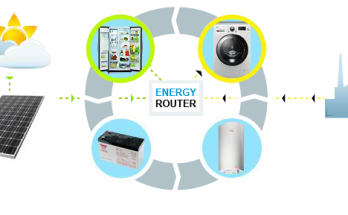
If you own a home, consider installing solar panels to generate your own electricity. Solar energy systems can significantly reduce your utility bills and decrease your carbon footprint.
2. Support Green Energy Programs
Many utility companies offer green energy programs that allow you to purchase renewable energy credits (RECs) or opt for a green energy plan. Supporting these initiatives helps promote the growth of renewable energy.
3. Use Energy-Efficient Appliances
Invest in energy-efficient appliances and lighting to reduce your energy consumption. Look for products with the ENERGY STAR label, which indicates they meet strict efficiency guidelines.
4. Consider Electric Vehicles (EVs)
Switching to an electric vehicle can reduce your reliance on fossil fuels and lower your carbon emissions. Many EVs can be charged using renewable energy sources, further enhancing their environmental benefits.
5. Practice Energy Conservation
Simple lifestyle changes can make a significant impact. Turn off lights when not in use, unplug devices, and use programmable thermostats to reduce energy consumption.
6. Get Involved in Local Initiatives
Join community efforts to promote renewable energy and sustainability. Participate in local clean energy programs, advocacy groups, or educational workshops to raise awareness and support for renewable initiatives.
Conclusion
Renewable energy is not just a trend; it is a vital component of a sustainable future. By understanding its importance and actively incorporating renewable energy solutions into our lives, we can contribute to a greener planet and a healthier environment. My simple guide highlights the potential of renewable energy to power our future while empowering individuals to make meaningful changes. Embrace renewable energy today, and be part of the movement toward a sustainable and brighter tomorrow!