JAKARTA, cssmayo.com – Radar Systems: Detecting Objects with Radio Waves is one of those techno wonders that blows my mind every single time. I still remember my first time tinkering with a DIY radar kit, and trust me—it did NOT go as planned. The room was a mess of tangled wires and that weird whirring sound still haunts me, but I learned so much from messing up.
Radar systems have become an essential technology in various fields, from aviation and maritime navigation to weather forecasting and military operations. Utilizing radio waves to detect and track objects, radar systems provide critical information that enhances safety and operational efficiency. In this article, I’ll share my honest insights into radar systems, exploring their principles, applications, advantages, and some challenges they face in today’s technological landscape.
What are Radar Systems?
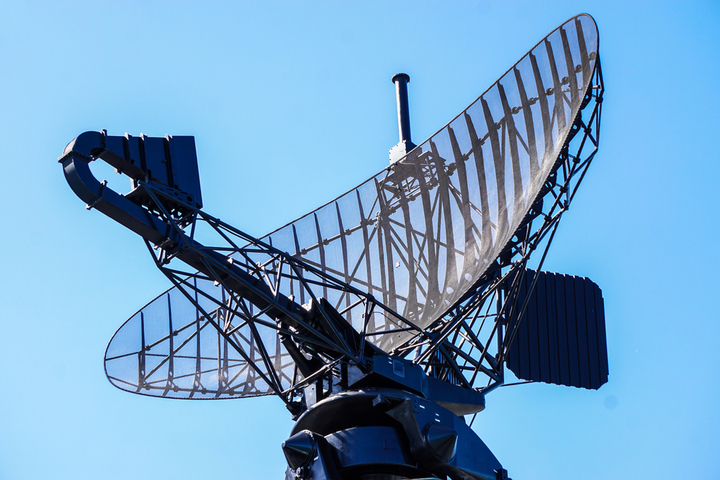
Radar, which stands for Radio Detection and Ranging, is a system that uses radio waves to detect the presence, distance, direction, and speed of objects. A radar system transmits radio waves that bounce off objects in their path and return to the radar receiver. By analyzing the time it takes for the waves to return and their frequency changes, radar systems can determine the location and movement of the detected objects.
Key Components of Radar Systems
- Transmitter: Generates and emits radio waves.
- Antenna: Focuses the radio waves into a beam and receives the reflected signals.
- Receiver: Processes the returned signals to extract useful information about the detected objects.
- Display/Processor: Visualizes the data, allowing operators to interpret and make decisions based on the radar information.
Applications of Radar Systems
Radar systems have a wide range of applications across various sectors:
1. Aviation
In aviation, radar systems are crucial for air traffic control, helping to monitor aircraft positions and ensure safe separation between flights. Ground radar systems also assist in airport operations by tracking the movement of aircraft on the ground.
2. Maritime Navigation
Radar is extensively used in maritime navigation to detect other vessels, obstacles, and landmasses, especially in poor visibility conditions. This capability enhances safety and helps prevent collisions at sea.
3. Weather Monitoring
Meteorological radars identify precipitation, storms, and other weather activity. Doppler radar goes further by gauging wind speed and vector, supplying vital insights for forecasting and severe-weather advisories.
4. Military and Defense
Radar systems are integral to military operations for surveillance, target tracking, and missile guidance. They enable armed forces to detect and track enemy aircraft, ships, and ground vehicles, enhancing situational awareness and operational effectiveness.
5. Automotive Applications
In recent years, radar technology has found its way into the automotive industry, primarily for advanced driver-assistance systems (ADAS). Radar sensors are used for features such as adaptive cruise control, collision avoidance, and blind-spot detection.
Advantages of Radar Systems
Radar systems offer several significant advantages:
- All-Weather Capability: Unlike optical systems, radar can operate effectively in various weather conditions, including fog, rain, and darkness, providing reliable detection and tracking.
- Long-Range Detection: Radar systems can detect objects at considerable distances, making them ideal for applications requiring early warning and situational awareness.
- Speed Measurement: Radar can accurately measure the speed of moving objects, which is particularly useful in traffic enforcement and military operations.
- Real-Time Data: Radar systems provide real-time information, allowing for quick decision-making and responses in critical situations.
Challenges Facing Radar Systems
Despite their many advantages, radar systems also face several challenges:
- Signal Interference: Radar signals can be affected by interference from other electronic devices, weather conditions, and terrain. This interference can lead to false readings or missed detections.
- Resolution Limitations: While radar is effective for detecting objects, its resolution can be lower than that of optical systems, making it challenging to distinguish between closely spaced objects.
- Cost and Complexity: Advanced radar systems can be expensive to develop and maintain. The complexity of integrating radar technology into existing systems can also pose challenges.
- Cybersecurity Threats: As radar systems become more interconnected with digital networks, they are increasingly vulnerable to cyber threats. Ensuring the security of radar systems is crucial to prevent unauthorized access and manipulation.
My Honest Insights on Radar Systems
Through my exploration of radar systems, I have come to appreciate their critical role in enhancing safety and efficiency across various industries. The ability to detect and track objects in real-time, regardless of weather conditions, is a game-changer for applications ranging from aviation to automotive safety.
However, as we advance into an era of increased reliance on technology, it is essential to address the challenges that radar systems face. Investing in research and development to improve radar resolution, reduce interference, and enhance cybersecurity measures will be crucial for the future of radar technology.
Moreover, the integration of radar systems with other technologies, such as artificial intelligence and machine learning, holds immense potential. By leveraging these advancements, we can improve object detection, enhance data analysis, and ultimately create smarter and more efficient radar systems.
Conclusion
Radar systems are a vital component of modern technology, providing essential capabilities for detecting and tracking objects across various applications. While they offer numerous advantages, challenges remain that must be addressed to ensure their continued effectiveness and security. As we continue to innovate and enhance radar technology, we can look forward to a future where radar systems play an even more significant role in ensuring safety and efficiency in our increasingly complex world.
Explore our “Techno” category for more insightful content!
Don't forget to check out our previous article: Technological Sovereignty: National Control Over Digital Infrastructure