JAKARTA, cssmayo.com – Bionic Organs: Artificial Replacements for Biological Functions—this isn’t just some sci-fi fantasy anymore. It hits close to home for me. A few years back, my uncle almost lost hope when his kidneys started to fail. Seeing him struggle, I got super curious about what Techno-magic could offer. Here’s what I learned, and trust me, you’ll wanna hear this if you’re as fascinated by blending tech and biology as I am!
The human body is an incredible biological machine, but like any machine, its parts can fail. For decades, the only solution was organ donation—a process fraught with long waiting lists and the risk of rejection. However, we are entering a new era where technology is stepping in to fill the gap. Bionic Organs—integrated mechanical and biological systems designed to replace failing body parts—are no longer just a concept from a superhero movie. They are real, they are working, and they are absolutely blowing my mind.
What are Bionic Organs?

Unlike traditional prosthetics, which might replace a limb’s structure, Bionic Organs are designed to replicate the complex functions of internal organs. They combine advanced materials, sensors, and sometimes even living cells to mimic the way a heart pumps, a kidney filters, or a pancreas regulates insulin.
The “bionic” aspect comes from the integration of electronics with biology. These organs can often communicate with the body’s nervous system or use smart algorithms to adjust their function in real-time based on the patient’s needs.
Three Bionic Organs That Are Changing Everything
My journey into researching this field led me to three specific examples that represent the pinnacle of current “futuristic” health tech:
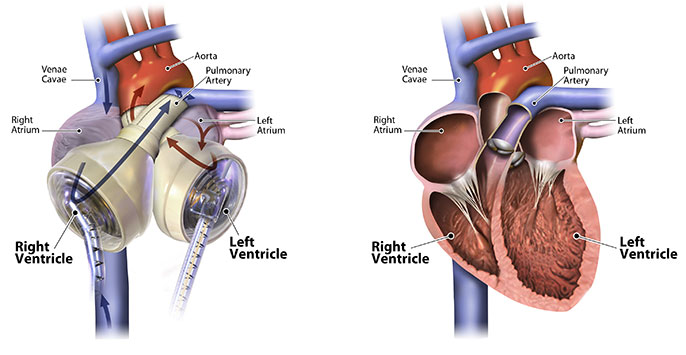
- The Bionic Heart: Total Artificial Hearts (TAHs) have existed for a while, but the new generation of bionic hearts is different. They use “continuous flow” technology or biocompatible materials that reduce the risk of blood clots and strokes, allowing patients to live active lives while waiting for a transplant—or even as a permanent solution.
- The Bionic Eye: Retinal implants are now allowing people with certain types of blindness to see light, shapes, and movement. By converting images from a small camera into electrical pulses that the brain interprets as vision, these Bionic Organs are literally restoring sight.
- The Artificial Pancreas: For those with Type 1 diabetes, this is a lifesaver. It’s a closed-loop system that uses a continuous glucose sensor and an insulin pump controlled by an algorithm. It functions just like a biological pancreas, automatically maintaining blood sugar levels without the user having to lift a finger.
Why This Blew My Mind: The End of the Waiting List
The most staggering realization for me was the potential to end the organ donor shortage. Every day, people die while waiting for a heart, kidney, or liver. Bionic Organs offer a future where an organ can be manufactured on demand.
We are even seeing the rise of “bio-hybrid” organs, where a mechanical scaffold is seeded with a patient’s own stem cells. This means the body is less likely to reject the organ because it “recognizes” the cells as its own. The fusion of 3D bioprinting and robotics is making the impossible, possible.
The Challenges of Living as a Cyborg
It’s not all smooth sailing, however. Living with Bionic Organs presents unique challenges:
- Power Sources: Many bionic systems require external batteries or charging, which can be cumbersome.
- Durability: Biological organs self-repair; mechanical ones wear out. Ensuring a bionic heart can beat billions of times without failing is a massive engineering feat.
- Cost: Currently, these technologies are incredibly expensive, raising questions about who will have access to these life-saving “upgrades.”
Conclusion
The development of Bionic Organs is a testament to human ingenuity. We are no longer at the mercy of our biological limitations. By blending the precision of engineering with the complexity of biology, we are creating a future where “organ failure” is a treatable condition rather than a terminal diagnosis. Seeing a person walk, see, or live because of a machine inside them is a powerful reminder that the future of health tech isn’t just coming—it’s already here, and it’s spectacular.
Explore our “Techno” category for more insightful content!
Don't forget to check out our previous article: Bio-Sensors: Detecting Biological Molecules for Diagnostics