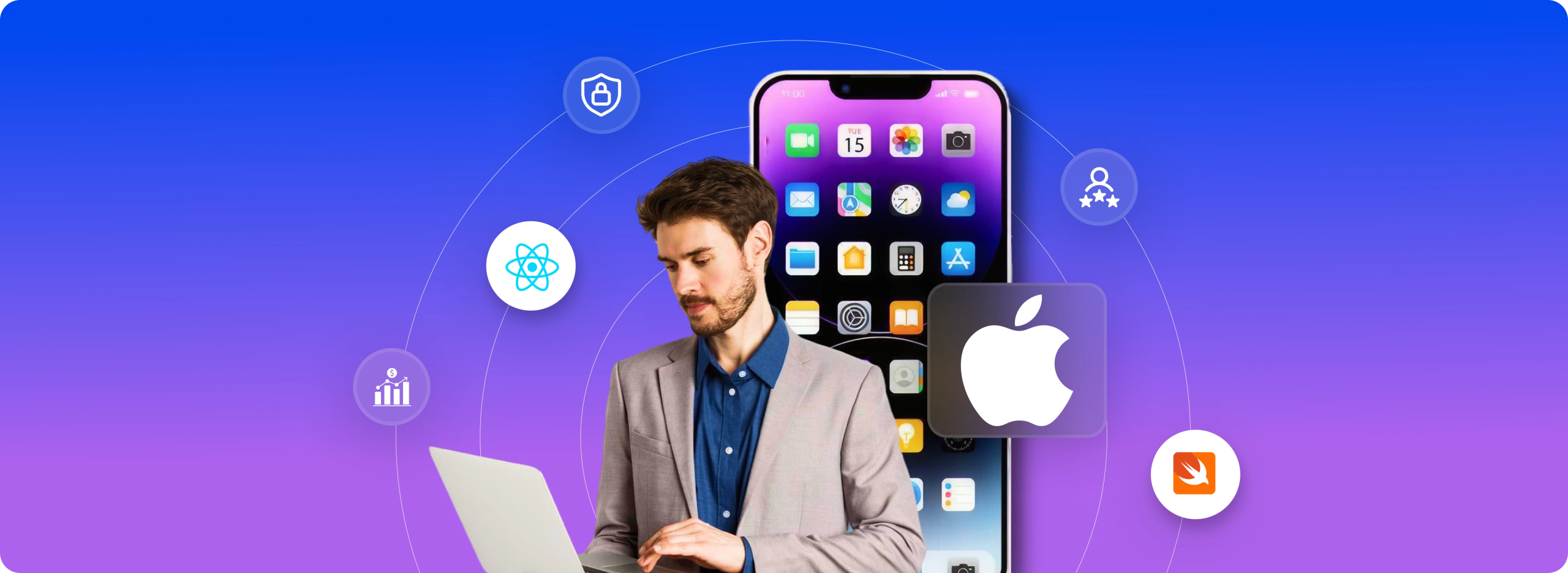
Jakarta, cssmayo.com – iOS development is the process of designing, building, and maintaining applications for Apple devices such as the iPhone and iPad. It combines technical engineering with user-focused design, requiring developers to create apps that are not only functional and efficient, but also intuitive, polished, and aligned with Apple’s platform standards. In a highly competitive mobile ecosystem, successful iOS apps are shaped by both performance and experience.
What makes iOS development especially significant is the way it sits at the intersection of software quality, ecosystem consistency, and premium user expectations. Developers working in this space must think beyond code alone, considering interface behavior, device optimization, security, accessibility, and long-term platform compatibility. Apple users tend to expect smooth interactions, visual clarity, and dependable performance, which means iOS development is as much about craftsmanship as it is about implementation. The operating system may do a lot of the heavy lifting, but users are very good at noticing when the app skips leg day.
What iOS Development Involves
iOS development refers to the creation of applications for Apple’s mobile operating system, using Apple-approved tools, frameworks, and programming languages. It covers everything from initial design and coding to testing, optimization, deployment, and updates.
Core aspects of iOS development include:
- Building apps for iPhone and iPad
- Using Swift or Objective-C
- Working with Xcode
- Designing interfaces with Apple frameworks
- Managing device compatibility
- Testing for performance and usability
- Publishing through the App Store
These tasks together define the full lifecycle of an iOS application.
Why It Matters
iOS development matters because Apple devices represent a major segment of the global app market, with users who often expect high-quality software experiences.
Strong Ecosystem Integration
Apps can connect deeply with Apple hardware, software, and services.
High User Expectations
Performance, design, and reliability are critical on the platform.
Commercial Opportunity
The App Store remains an important marketplace for developers and businesses.
Security and Privacy Standards
Apple places strong emphasis on user data protection and system integrity.
Design Consistency
Developers are expected to follow platform conventions that support usability.
These factors make iOS development both technically demanding and commercially attractive.
Core Components of iOS App Creation
Building an iOS app involves several interconnected areas of work.
| Component | Role in Development | Why It Matters |
|---|---|---|
| Programming Language | Powers app logic and behavior | Determines maintainability and performance |
| UI Frameworks | Shape the interface and interaction | Defines the user experience |
| Xcode | Main development environment | Supports coding, debugging, and deployment |
| Testing | Validates quality and stability | Reduces bugs and improves trust |
| App Store Deployment | Distributes the app to users | Enables reach and monetization |
These components work together to turn an idea into a functioning Apple-device application.
Tools and Technologies
Modern iOS development relies on a set of established tools and frameworks that support the Apple ecosystem.
Common technologies include:
- Swift
- Objective-C
- Xcode
- SwiftUI
- UIKit
- TestFlight
- App Store Connect
Each plays a role in helping developers create, refine, test, and release their applications effectively.
Challenges in iOS Development
Although the platform offers powerful tools, iOS development also comes with challenges that require attention to detail.
Common challenges include:
- Keeping up with platform updates
- Designing for different screen sizes and device capabilities
- Meeting App Store review requirements
- Ensuring app performance and responsiveness
- Handling permissions, privacy, and security correctly
- Balancing feature complexity with interface simplicity
These demands mean iOS development requires both technical skill and disciplined product thinking.
What Makes a Strong iOS App
A strong iOS app is more than functional. It feels native to the platform, performs reliably, and respects the way users expect Apple software to behave.
Important qualities often include:
- Clean and intuitive design
- Fast performance
- Stable functionality
- Strong privacy practices
- Accessibility support
- Consistent updates and maintenance
These qualities help an app stand out in a crowded ecosystem.
Final Thoughts
iOS development remains one of the most important areas of mobile software creation because it combines engineering precision, user experience design, and ecosystem-specific quality standards. Building apps for Apple devices requires developers to think carefully about performance, polish, and long-term compatibility across a tightly integrated platform.
The key takeaway is simple. iOS development is about crafting applications that do more than work. They need to feel refined, reliable, and fully at home on Apple devices.
Explore our “Techno” category for more insightful content!
Don't forget to check out our previous article: Kotlin Development: Modern Programming for Android