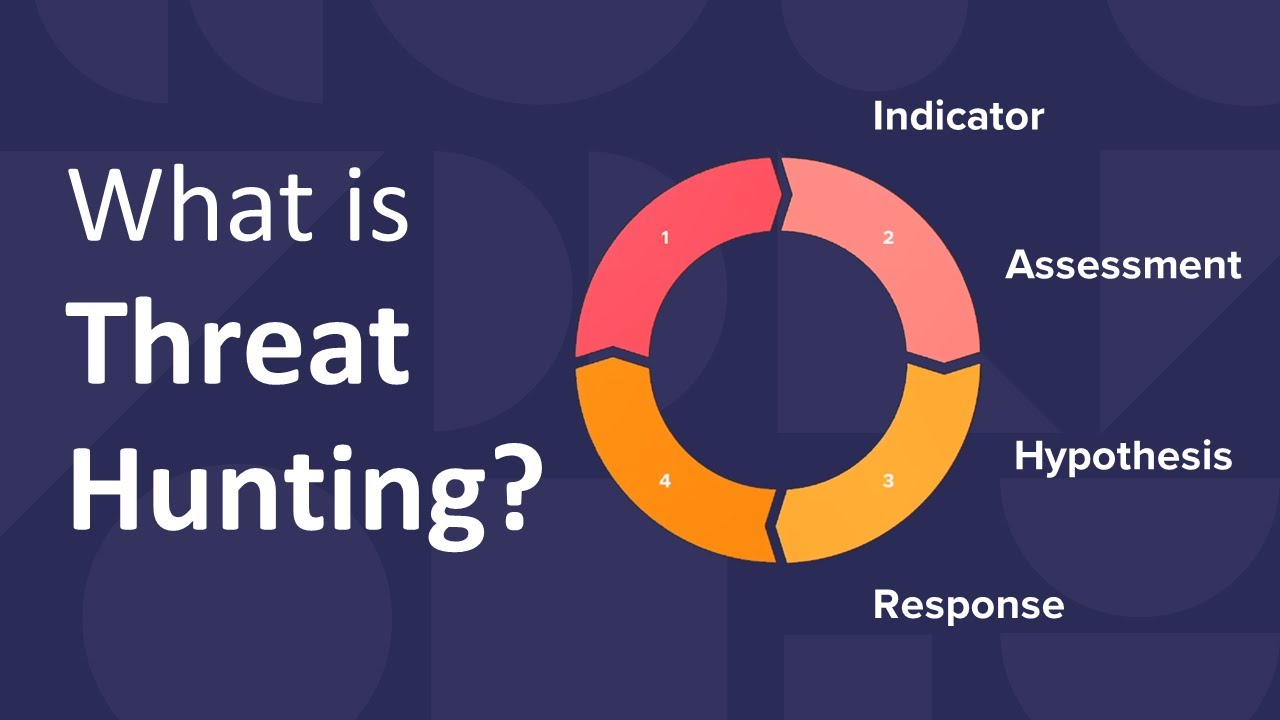
Understanding Threat Hunting

1. Definition and Purpose
Threat hunting is the process of actively searching through networks, endpoints, and datasets to identify malicious activities that may have bypassed existing security measures. The primary purposes of threat hunting include:
- Early Detection: Identifying threats before they can exploit vulnerabilities and cause damage.
- Improved Incident Response: Enhancing the ability to respond to incidents by understanding the tactics, techniques, and procedures (TTPs) used by attackers.
- Strengthening Security Posture: Continuously improving an organization’s security defenses by learning from identified threats and refining security strategies.
2. The Need for Threat Hunting
With the increasing complexity of cyber threats and the rise of advanced persistent threats (APTs), organizations can no longer rely solely on automated defenses. Traditional security measures, such as firewalls and antivirus software, may not detect sophisticated attacks that use stealthy techniques to evade detection. Threat hunting addresses this gap by:
- Focusing on the detection of unknown threats that automated systems might miss.
- Leveraging human expertise to analyze anomalies and suspicious behaviors in the environment.
- Providing a proactive approach to cybersecurity that complements reactive measures.
Methodologies for Threat Hunting
1. Hypothesis-Driven Hunting
In hypothesis-driven hunting, threat hunters develop specific hypotheses based on known attack patterns, vulnerabilities, or intelligence about emerging threats. The process involves:
- Formulating Hypotheses: Creating testable assumptions about potential threats based on existing knowledge and intelligence.
- Data Collection: Gathering relevant data from various sources, including logs, network traffic, and endpoint telemetry.
- Analysis and Validation: Analyzing the collected data to confirm or refute the hypotheses and identify any malicious activities.
2. Intelligence-Led Hunting
Intelligence-led hunting leverages threat intelligence to guide the hunting process. This approach involves:
- Utilizing Threat Intelligence Feeds: Incorporating data from threat intelligence sources to understand the latest attack vectors, TTPs, and indicators of compromise (IOCs).
- Identifying Relevant Threats: Focusing on threats that are relevant to the organization’s industry, technology stack, and known vulnerabilities.
- Proactive Search: Actively searching for signs of these identified threats within the organization’s environment.
3. Behavioral Analysis
Behavioral analysis focuses on identifying anomalies and deviations from normal behavior patterns within the network. The steps include:
- Establishing Baselines: Defining normal behavior for users, devices, and applications to establish a baseline for comparison.
- Monitoring for Anomalies: Continuously monitoring for unusual activities that deviate from established baselines, such as unauthorized access attempts or unusual data transfers.
- Investigating Anomalies: Conducting further analysis on identified anomalies to determine if they represent potential threats.
Best Practices for Effective Threat Hunting
1. Build a Skilled Threat Hunting Team
Developing a team of skilled threat hunters is crucial for successful threat hunting. This team should include individuals with a diverse set of skills, including:
- Cybersecurity expertise and experience in incident response.
- Knowledge of network protocols, operating systems, and application behavior.
- Familiarity with threat intelligence and analysis techniques.
2. Leverage Automation and Tools
While threat hunting relies on human expertise, leveraging automation and advanced tools can enhance efficiency and effectiveness. Consider using:
- Security Information and Event Management (SIEM) systems to aggregate and analyze security data.
- Endpoint Detection and Response (EDR) tools to monitor and investigate endpoint activities.
- Threat Intelligence Platforms to gather and analyze threat data.
3. Establish Clear Objectives and Metrics
Setting clear objectives for threat hunting initiatives helps focus efforts and measure success. Consider defining:
- Specific goals for threat hunting activities, such as the number of threats detected or response times.
- Metrics to evaluate the effectiveness of hunting efforts, such as the reduction in dwell time for threats or improvements in incident response times.
4. Continuous Learning and Adaptation
The threat landscape is constantly evolving, making it essential for threat hunters to stay informed about new tactics and techniques used by attackers. Encourage continuous learning through:
- Regular training and professional development opportunities.
- Participation in threat intelligence sharing communities and industry forums.
- Conducting post-hunt reviews to analyze findings and refine hunting techniques.
Conclusion
Threat hunting is a proactive approach to cybersecurity that empowers organizations to identify and mitigate hidden threats before they can cause significant harm. By leveraging human expertise, advanced methodologies, and effective tools, organizations can enhance their security posture and improve incident response capabilities. As cyber threats continue to evolve, investing in threat hunting will be crucial for maintaining robust defenses and ensuring the safety of critical assets.
Explore our “Techno” category for more insightful content!
Don't forget to check out our previous article: Antivirus Software: Choosing the Right Solution in 2026