What is Remote Monitoring?
1. Definition and Overview
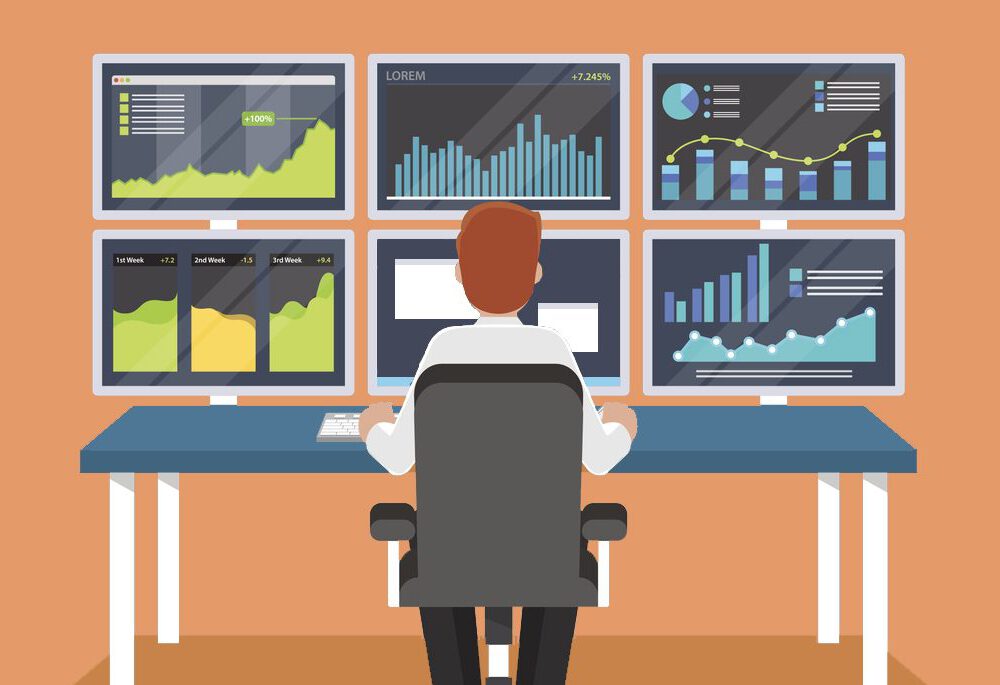
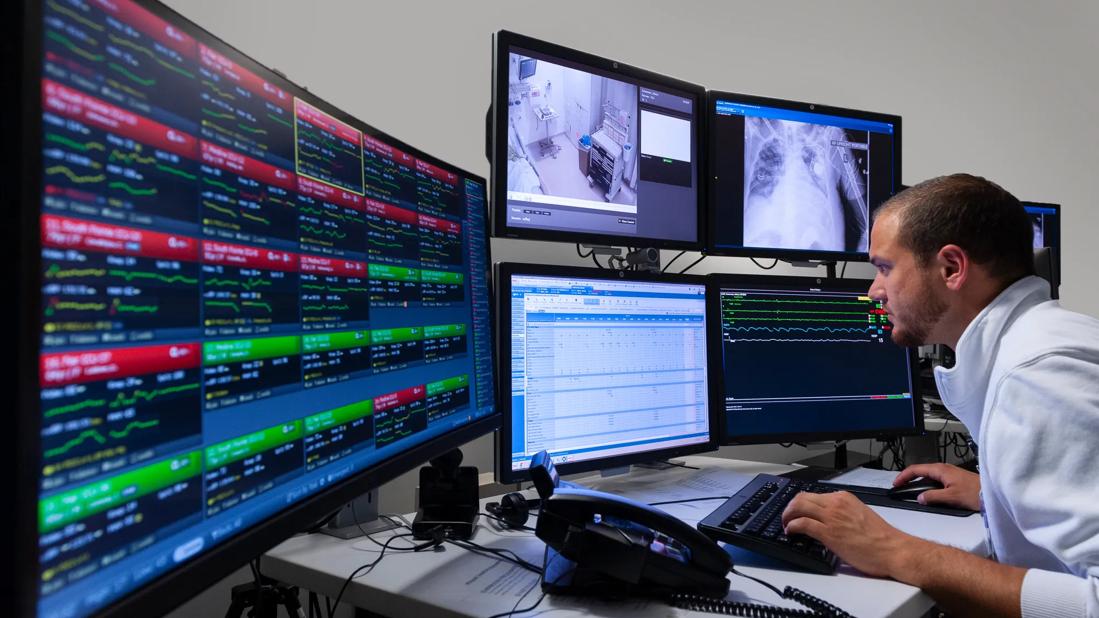
Remote monitoring refers to the use of technology to observe and manage systems, processes, or environments from a distance. This can involve the collection of data through sensors, devices, and software that transmit information to a central system for analysis and action. Remote monitoring systems can provide alerts, generate reports, and facilitate decision-making in real time.
2. Key Components
Remote monitoring systems typically consist of the following components:
- Sensors and Devices: These collect data on various parameters, such as temperature, humidity, pressure, and performance metrics.
- Communication Networks: Data is transmitted from sensors to a centralized platform via wired or wireless networks, including the Internet, cellular networks, or satellite connections.
- Data Analytics Software: This software processes and analyzes the collected data, providing insights and alerts to users.
- User Interfaces: Dashboards and applications allow users to visualize data, receive notifications, and manage systems remotely.
Applications of Remote Monitoring
1. Healthcare
In the healthcare sector, remote monitoring is transforming patient care. Wearable devices and telehealth solutions enable healthcare providers to track patients’ vital signs and health conditions in real time. This technology allows for timely interventions, reduces hospital readmissions, and enhances patient engagement.
2. Industrial Automation
Remote monitoring is widely used in industrial settings to oversee manufacturing processes, equipment performance, and environmental conditions. By monitoring machinery and systems remotely, companies can identify potential issues before they escalate, leading to reduced downtime and increased efficiency.
3. Energy Management
In the energy sector, remote monitoring plays a crucial role in managing power generation and distribution. Smart grids and monitoring systems allow utilities to track energy consumption, detect outages, and optimize resource allocation. This technology supports the integration of renewable energy sources and enhances grid reliability.
4. Transportation and Logistics
Remote monitoring is essential in transportation and logistics for tracking vehicles, shipments, and assets. GPS and IoT technologies enable real-time location tracking, route optimization, and fleet management. This improves operational efficiency and enhances customer service by providing accurate delivery estimates.
5. Environmental Monitoring
Remote monitoring systems are increasingly used for environmental applications, such as monitoring air and water quality, weather conditions, and wildlife habitats. These systems provide valuable data for researchers, policymakers, and conservationists, supporting informed decision-making for environmental protection.
Benefits of Remote Monitoring
1. Enhanced Efficiency
Remote monitoring allows organizations to optimize operations by providing real-time data and insights. This leads to improved decision-making, streamlined processes, and reduced operational costs.
2. Increased Safety
By enabling continuous monitoring of critical systems, remote monitoring enhances safety in various environments. For example, monitoring hazardous conditions in industrial settings can prevent accidents and protect workers.
3. Proactive Maintenance
Remote monitoring systems can detect anomalies and performance issues before they lead to failures. This proactive approach to maintenance reduces downtime and extends the lifespan of equipment.
4. Improved Customer Experience
In sectors like transportation and healthcare, remote monitoring enhances customer experience by providing timely updates and personalized services. Customers benefit from greater transparency and responsiveness.
5. Flexibility and Scalability
Remote monitoring solutions can be easily scaled to accommodate changing needs. Organizations can expand their monitoring capabilities without significant infrastructure changes, adapting to growth and new challenges.
Conclusion
Remote monitoring is revolutionizing how organizations manage critical systems across various industries. By providing real-time tracking and insights, this technology enhances efficiency, safety, and decision-making. As remote monitoring continues to evolve, its applications will expand, offering even greater benefits to businesses and individuals.
Embracing remote monitoring solutions can empower organizations to stay competitive in an increasingly connected world, ensuring they can respond swiftly to challenges and opportunities wherever they arise.
Explore our “Techno” category for more insightful content!
Don't forget to check out our previous article: Bioinformatics Tools: Data-Driven Insights for Modern Biology