In an increasingly digital world, telepresence has emerged as a transformative technology that allows individuals to connect and interact in virtual environments as if they were physically present. This article explores the concept of telepresence, its applications, and my personal experiences with virtual connections that highlight its significance in today’s society.
Understanding Telepresence

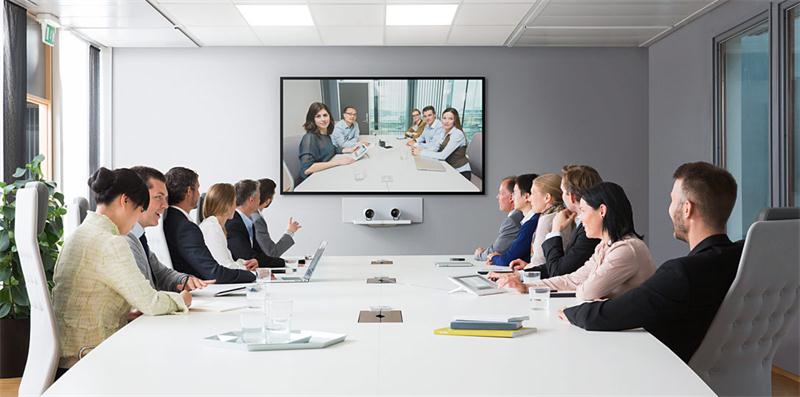
Telepresence refers to the use of technology to create the feeling of being present in a location other than one’s physical environment. This can be achieved through various means, including:
- Video Conferencing: Platforms like Zoom, Microsoft Teams, and Google Meet allow users to communicate face-to-face, regardless of their physical location.
- Virtual Reality (VR): VR technologies create immersive environments where users can interact with digital spaces and each other in real-time.
- Augmented Reality (AR): AR superimposes digital elements onto the physical world, enriching user interactions and experiences through devices like smartphones and smart glasses.
- Robotic Telepresence: Robots equipped with cameras and screens enable remote users to navigate physical spaces and interact with people in real-time.
Applications of Telepresence
Telepresence technology has a wide range of applications across various fields:
- Business and Remote Work: Telepresence tools facilitate virtual meetings, collaboration, and team-building activities, allowing companies to maintain productivity and communication in remote work settings.
- Healthcare: Telepresence enables remote consultations between doctors and patients, improving access to healthcare services, especially in rural or underserved areas.
- Education: Virtual classrooms and online learning platforms leverage telepresence to connect students and educators, fostering interactive learning experiences.
- Social Connections: Telepresence allows friends and family to connect across distances, enabling social interactions that would otherwise be impossible due to geographical barriers.
My Real Moments with Telepresence
Throughout my experiences with telepresence, I’ve encountered several memorable moments that illustrate its impact on communication and connection:
1. Virtual Family Gatherings
During the pandemic, my family turned to video conferencing to stay connected. We organized weekly virtual family dinners, where everyone would join a video call, share meals, and catch up. These gatherings, although not in-person, allowed us to maintain our family bond and create cherished memories together. The ability to see each other’s faces and share laughter made the distance feel less daunting.
2. Collaborative Work Projects
In my professional life, telepresence has been invaluable for collaborating with team members across different locations. I recall a project where our team, scattered across multiple states, utilized a video conferencing platform to brainstorm ideas and develop strategies. The interactive nature of the meetings fostered creativity and teamwork, leading to a successful outcome. The ability to share screens and collaborate in real-time made the process efficient and engaging.
3. Attending Virtual Conferences
I had the opportunity to attend a major industry conference virtually, which was a remarkable experience. The event featured keynote speakers, panel discussions, and networking opportunities, all accessible from my home. The use of telepresence technology allowed me to engage with experts in my field, ask questions, and connect with other attendees through virtual breakout rooms. This experience demonstrated that distance does not have to limit professional development and networking.
4. Remote Learning Experiences
As an advocate for education, I’ve seen the power of telepresence in online learning environments. Participating in a virtual workshop for educators, I witnessed how telepresence tools facilitated interactive discussions and collaborative activities. Educators from diverse backgrounds shared their experiences and strategies, creating a rich learning environment. This experience reinforced the idea that technology can enhance education and foster a sense of community among participants.
The Future of Telepresence
As technology continues to evolve, the possibilities for telepresence are expanding. Innovations in VR and AR are likely to enhance immersive experiences, making virtual interactions even more realistic and engaging. Additionally, advancements in artificial intelligence may enable more intuitive and responsive telepresence systems, further bridging the gap between physical and virtual interactions.
Conclusion
In conclusion, telepresence is a powerful technology that has transformed the way we connect and communicate in our increasingly digital world. My personal experiences with virtual connections highlight the significance of telepresence in maintaining relationships, fostering collaboration, and enhancing learning opportunities.
As we move forward, embracing telepresence can help us navigate the challenges of distance and create meaningful connections, whether in our personal or professional lives. By leveraging the power of technology, we can continue to bridge gaps and cultivate relationships that transcend geographical barriers, enriching our lives and experiences in profound ways.