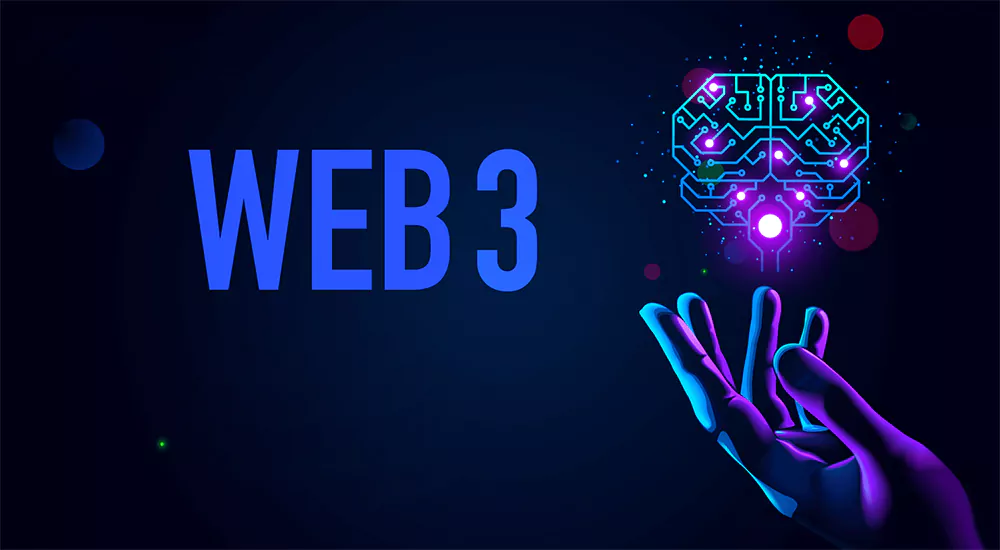
The digital landscape is evolving rapidly, and Web3 is at the forefront of this transformation. Promising a new era of the internet, Web3 aims to decentralize online interactions, enhance user privacy, and empower individuals with greater control over their data. In this article, we will explore what Web3 is, how it differs from its predecessors, and why it is essential for the future of the internet.
What is Web3?

Web3, often referred to as the decentralized web, represents the third generation of the internet. It builds on the foundations laid by Web1 (the static web) and Web2 (the interactive web). While Web1 consisted of simple, read-only websites, and Web2 introduced user-generated content and social media platforms, Web3 aims to create a more user-centric experience through decentralization and blockchain technology.
Key Features of Web3
- Decentralization: Unlike traditional web models where data is stored on centralized servers, Web3 utilizes decentralized networks (like blockchain) to distribute data across multiple nodes. This reduces the risk of data breaches and censorship.
- User Ownership: Web3 empowers users by giving them ownership of their data and digital assets. Through decentralized identities and wallets, individuals can control their online presence without relying on intermediaries.
- Smart Contracts: These self-executing contracts with the terms of the agreement directly written into code enable automated transactions and interactions without the need for third-party verification.
- Interoperability: Web3 promotes seamless interaction between different platforms and applications, allowing users to move their assets and data across various ecosystems without friction.
- Privacy and Security: With enhanced encryption and decentralized protocols, Web3 aims to protect user privacy, allowing individuals to engage in online activities without compromising their personal information.
How Web3 Differs from Web2
Understanding the differences between Web3 and Web2 is crucial for grasping the significance of this new paradigm:
Web2 Characteristics:
- Centralization: Data is controlled by a few large corporations (e.g., Google, Facebook), leading to concerns about privacy and data ownership.
- Monetization by Ads: Most Web2 platforms rely on advertising revenue, often at the expense of user privacy and experience.
- Limited User Control: Users have limited control over their data and how it is used by platforms.
Web3 Characteristics:
- Decentralization: Power is distributed among users and participants, reducing the influence of central authorities.
- User-Centric Monetization: Users can earn direct rewards for their contributions, such as content creation or participation in decentralized finance (DeFi).
- Enhanced Control: Users have full control over their data and can choose how and when to share it.
Why You Can’t Ignore Web3
As the internet continues to evolve, Web3 presents numerous opportunities and challenges that make it essential to pay attention to this emerging landscape:
1. Empowerment of Individuals
Web3 shifts the balance of power from corporations to individuals, enabling users to reclaim ownership of their data and digital identities. This empowerment fosters a more equitable online environment.
2. Innovation in Business Models
The decentralized nature of Web3 encourages innovative business models that prioritize user engagement and participation. This can lead to the creation of new economic opportunities and revenue streams for creators and developers.
3. Enhanced Security and Privacy
With increasing concerns over data breaches and privacy violations, Web3’s focus on security and user privacy is more relevant than ever. Decentralized systems reduce the risk of single points of failure and enhance data protection.
4. Interconnected Ecosystems
Web3 promotes interoperability between different platforms and applications, creating a more cohesive digital experience. This interconnectedness allows for seamless transitions between services and enhances user engagement.
5. Future-Proofing Your Digital Presence
As Web3 gains traction, businesses and individuals who adapt to this new paradigm will be better positioned for success. Embracing decentralized technologies can lead to increased resilience and relevance in a rapidly changing digital landscape.
Conclusion
Web3 represents a transformative shift in the way we interact with the internet. By prioritizing decentralization, user ownership, and enhanced privacy, it has the potential to reshape our digital experiences fundamentally. Ignoring Web3 could mean missing out on opportunities for empowerment, innovation, and security in an increasingly interconnected world. As we move forward, embracing the principles of Web3 will be crucial for individuals, businesses, and society as a whole to thrive in the decentralized internet of the future.