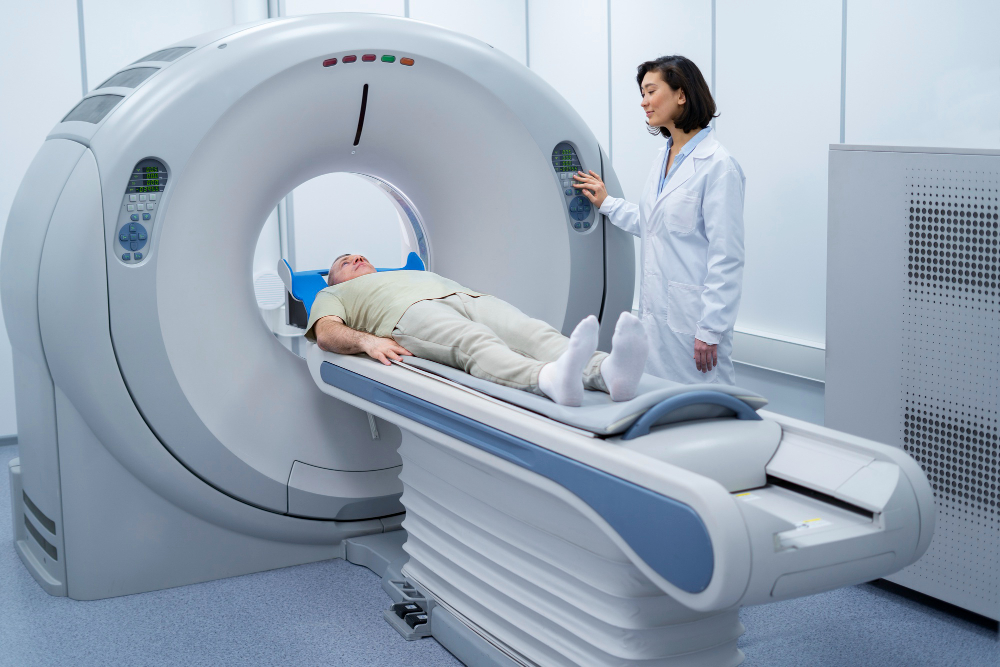
JAKARTA, cssmayo.com – Medical Imaging: Visualizing the Human Body with Technology. Okay, let’s be honest—when I first heard about all this techno stuff in healthcare, my brain kinda froze. It sounded way too sci-fi or futuristic. But after a rough patch (yep, my own hospital trip) and digging deeper, I realized how this actually makes stuff so much simpler—and honestly, a bit magical.
In the world of modern medicine, the ability to see inside the human body without making a single incision is nothing short of miraculous. Medical Imaging has evolved from simple X-rays to sophisticated 3D reconstructions and real-time molecular visualization. It is the cornerstone of diagnosis, treatment planning, and monitoring. This article provides an overview of how this technology works, my honest perspective on its current state, and some practical tips for anyone who might be heading in for a scan.
The Evolution of Medical Imaging
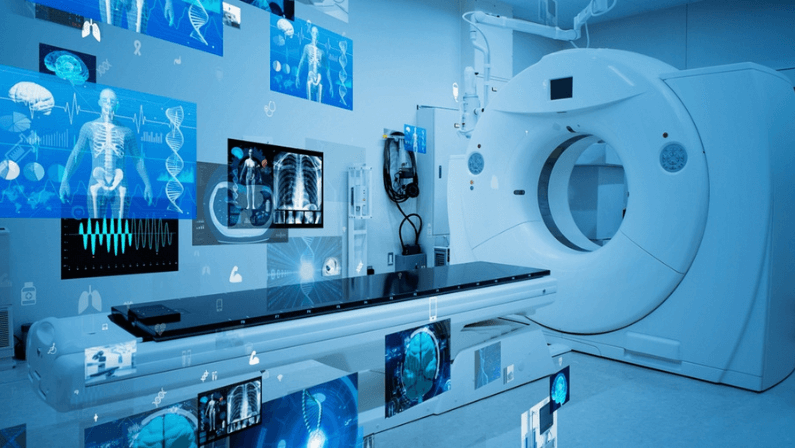
The field of Medical Imaging encompasses a wide variety of technologies, each with its own specific strengths. X-rays and CT scans use ionizing radiation to look at bones and dense tissues, while MRI (Magnetic Resonance Imaging) uses powerful magnets and radio waves to capture detailed images of soft tissues like the brain and muscles. Ultrasound uses sound waves to visualize organs and developing fetuses, and PET scans use radioactive tracers to look at the body’s metabolic activity.
What was once a grainy, black-and-white picture has now become a high-definition digital map. The integration of Artificial Intelligence (AI) is the latest frontier, helping radiologists spot tiny abnormalities that might be missed by the human eye and speeding up the time it takes to process complex scans.
My Honest Take: The Power and the Pressure
If I’m being honest, Medical Imaging is a bit of a double-edged sword. On one hand, it is an incredible diagnostic tool that saves lives every day by catching diseases like cancer in their earliest, most treatable stages. It removes the guesswork from surgery and allows for minimally invasive procedures that were unthinkable a few decades ago.
On the other hand, the sheer availability of imaging can sometimes lead to “over-diagnosis.” We are now able to see tiny “incidentalomas”—small abnormalities that might never cause a problem but lead to unnecessary anxiety and further invasive testing. There is also the pressure on the healthcare system; these machines are incredibly expensive to maintain, and the volume of scans can lead to long wait times and burnout for the specialists who interpret them. We must balance our reliance on technology with clinical judgment and a patient-centered approach.
Tips for Navigating Your Next Scan
If you’ve been scheduled for a Medical Imaging procedure, it’s natural to feel a bit of “scanxiety.” Here are a few practical tips to help the process go smoothly:
- Ask Questions Early: Understand why the scan is being ordered and what the doctor is looking for. Knowing the “why” can help ease your mind.
- Follow Preparation Instructions: Whether it’s fasting for a CT scan or removing all metal for an MRI, these instructions are crucial for image quality and your safety.
- Communicate Your Comfort: If you are claustrophobic, tell the technician before you start an MRI. There are often options like “open” MRIs or mild sedatives that can help.
- Request Your Records: You have a right to your images. Ask for a digital copy (often on a CD or through a patient portal) so you can share them with other specialists if needed.
- Be Patient with Results: While the scan happens quickly, a radiologist needs time to carefully review hundreds of images. It usually takes a few days to get a final report.
The Future: Beyond the Visible
The future of Medical Imaging is moving toward “molecular imaging,” where we can see not just the structure of an organ, but how its cells are functioning at a chemical level. This will allow for even more personalized medicine, where treatments can be tailored to the specific biological makeup of a patient’s condition. We are also seeing the rise of portable imaging devices, which could bring life-saving diagnostic tools to remote areas and emergency scenes.
Conclusion
Medical Imaging is a testament to human ingenuity and our desire to understand the complexities of life. It has transformed the human body from a mystery into a visible, understandable map. While the technology is powerful, it is most effective when used thoughtfully and in conjunction with a strong patient-doctor relationship. By staying informed and prepared, you can make the most of these incredible tools and ensure they serve as a positive force in your healthcare journey.
Explore our “Techno” category for more insightful content!
Don't forget to check out our previous article: Surveillance Capitalism: The Hidden Cost of “Free” Services