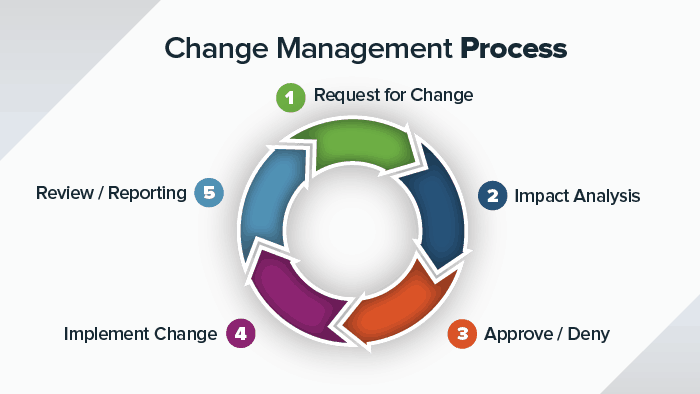
Jakarta, cssmayo.com – Change management is the structured process organizations use to plan, communicate, implement, and sustain transitions while minimizing confusion, resistance, and operational disruption. Whether the change involves new technology, revised workflows, leadership shifts, restructuring, or strategic redirection, effective change management helps people and systems adapt in a more organized way. In fast-moving business environments, the ability to manage change well is no longer optional. It is a core capability.
What makes change management especially important is that organizational change rarely fails only because of strategy or technology. More often, it struggles because people are unclear, unprepared, unconvinced, or unsupported. A well-designed change process helps bridge that gap by aligning communication, training, leadership, expectations, and implementation timing. In other words, it is the discipline of helping organizations move forward without turning every transition into a fire drill with branded presentation slides.
What Change Management Is

Change management is a systematic approach to guiding individuals, teams, and organizations pwvip4d from a current state to a desired future state. Its goal is to ensure that change is adopted effectively and that disruptions to productivity, morale, and service quality are kept as low as possible.
Common forms of organizational change include:
- New systems or software implementation
- Process redesign
- Mergers or restructuring
- Policy changes
- Leadership transitions
- Cultural transformation
- Compliance-driven adjustments
- Strategic shifts in direction
These changes often require coordinated attention to both technical execution and human adaptation.
Why Change Management Matters
Change management matters because even beneficial change can create uncertainty, resistance, and operational strain if it is introduced poorly. Organizations need a clear method for moving through transition in a controlled and practical way.
Reducing Disruption
Structured planning helps limit confusion, delays, and interruptions during implementation.
Supporting Employee Adoption
People are more likely to embrace change when they understand it, feel prepared for it, and see its relevance.
Improving Communication
A strong change approach ensures that key messages are timely, clear, and consistent across the organization.
Protecting Productivity
Managing the pace and structure of change helps teams maintain performance during transition.
Increasing Long-Term Success
Change is more likely to stick when organizations actively support adoption rather than simply announcing new expectations.
These advantages make change management essential for sustainable transformation.
Core Elements of Effective Change Management
The value of change management becomes clearer when its main elements are viewed together.
| Element | Description | Why It Matters |
|---|---|---|
| Planning | Defining scope, timeline, risks, and stakeholders | Creates structure and reduces uncertainty |
| Communication | Explaining what is changing, why, and when | Builds trust and alignment |
| Training | Preparing people to work in new ways | Improves confidence and capability |
| Leadership support | Visible commitment from managers and executives | Reinforces credibility and momentum |
| Monitoring and feedback | Tracking adoption, issues, and response | Helps refine the transition process |
Together, these elements help organizations move through change with greater control and less disruption.
How Change Management Streamlines Transitions
Change management streamlines transitions by making change understandable, coordinated, and easier to absorb across the organization. Instead of leaving teams to react in fragmented ways, it creates a shared process for adjustment.
Clarifying Direction
Employees need to know what is changing and what the future state is supposed to look like.
Sequencing the Rollout
Careful timing prevents overload and reduces the chance of simultaneous breakdowns across teams or systems.
Addressing Resistance Early
Concerns, confusion, and skepticism can be identified and managed before they harden into deeper obstacles.
Reinforcing New Behaviors
Follow-up support, coaching, and accountability help embed the change rather than letting old habits return.
Creating Organizational Learning
Each managed transition improves the organization’s ability to handle future change more effectively.
This is what allows change management to reduce friction while keeping progress on track.
Why It Remains a Strategic Priority
Change management remains a strategic priority because organizations are under constant pressure to adapt. Digital transformation, market shifts, regulation, competition, and internal growth all create frequent demands for transition. Without an intentional approach, repeated change can exhaust employees, disrupt service, and weaken execution.
It continues to stand out because it provides:
- More controlled implementation
- Better alignment between strategy and execution
- Greater employee readiness
- Reduced operational disruption
- Stronger adoption of new processes and systems
This makes change management a practical and strategic discipline, not just a communication exercise.
Final Thoughts
Change management is a vital approach for streamlining organizational transitions with minimal disruption. By combining planning, communication, training, leadership alignment, and ongoing support, it helps organizations move through change more smoothly and effectively. In environments where adaptation is constant, change management provides the structure needed to turn disruption into manageable progress.
The key takeaway is simple. Change management helps organizations do more than introduce change. It helps them make change understandable, adoptable, and sustainable without unnecessary disruption.
Explore our “”Techno“” category for more insightful content
Don't forget to check out our previous article: Memory Leak: Detecting and Resolving Memory Management Issues in Applications